Introduction
Preparing healthy meals at home is one of the easiest ways to improve daily eating habits, save money, and enjoy fresh food with family. In my opinion, healthy eating does not have to be expensive or complicated. With a few simple ingredients, basic cooking skills, and some planning, anyone can prepare nutritious meals at home.
Many people think healthy cooking requires special ingredients or hours in the kitchen. However, I believe that simple homemade food can be both delicious and nutritious. Everyday ingredients such as vegetables, fruits, eggs, lentils, chicken, rice, whole wheat flour, and yogurt can help create balanced meals for the entire family.
One of the biggest advantages of cooking at home is having more control over the ingredients. I can decide how much salt, sugar, and oil to use while choosing foods that match my preferences and budget.
In this guide, I will explain how to prepare healthy meals at home using practical tips that are easy to follow, even for beginners.
1. Plan Your Meals Before Cooking
The first step in healthy meal preparation is planning. I find that deciding what to cook in advance makes daily cooking easier and reduces the temptation to order fast food.
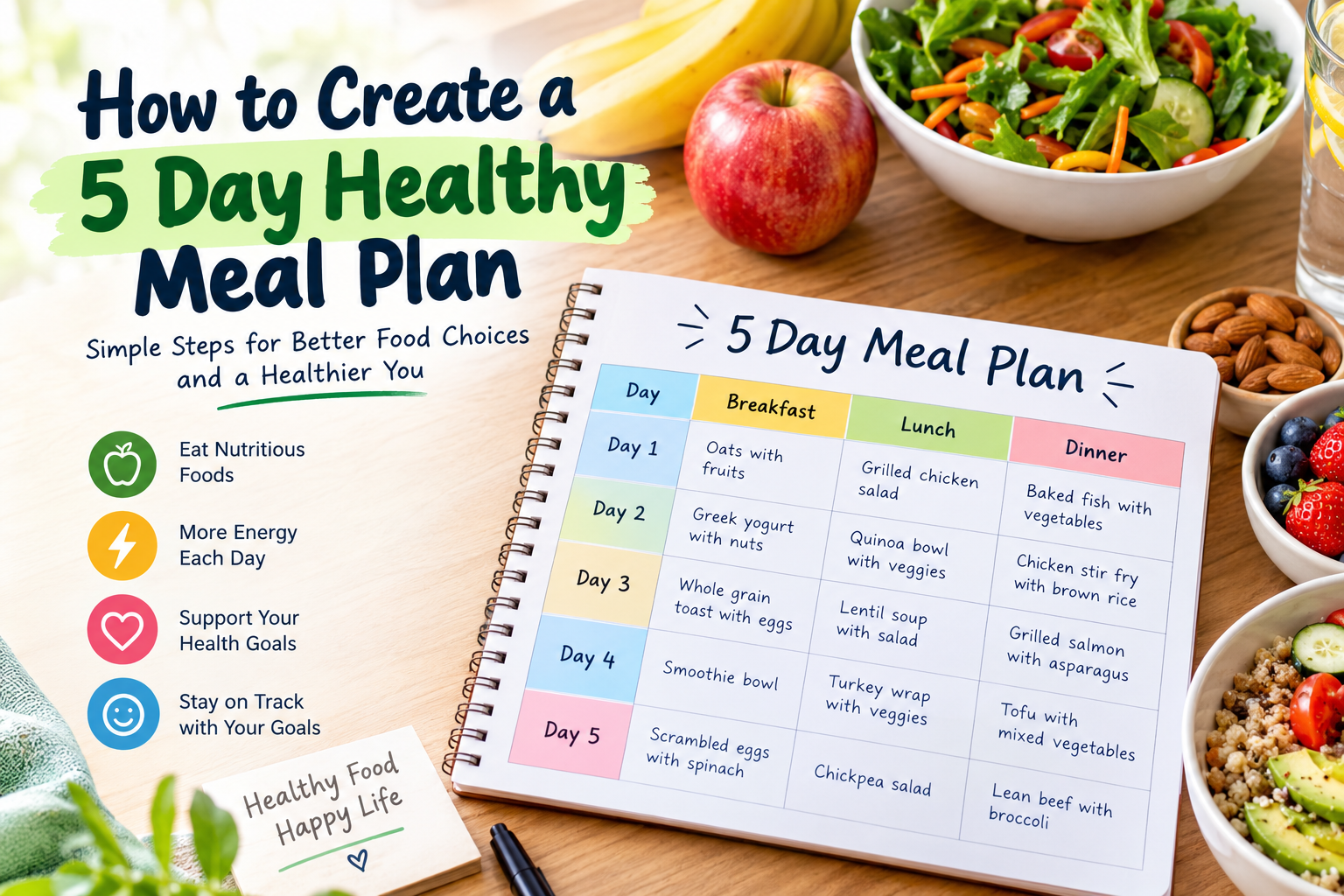
Start by planning breakfast, lunch, and dinner for the next few days. You do not need an expensive meal planner or complicated recipes. A simple list on paper is enough.
For breakfast, you might choose oatmeal, boiled eggs, whole wheat toast, or yogurt with fruit. Lunch could include lentils, vegetables, rice, or homemade chicken. For dinner, you could prepare vegetable soup, beans, grilled fish, or a homemade curry with salad.
Planning also helps me prepare a grocery list and avoid buying unnecessary items. I can check my kitchen first and use ingredients that are already available.
My advice is to start with three or four easy recipes and repeat them during the week. Once meal planning becomes a habit, trying new recipes becomes much easier.
2. Choose Fresh and Nutritious Ingredients
Choosing the right ingredients is an important part of preparing healthy meals at home. I try to include a variety of vegetables, fruits, protein foods, whole grains, and healthy fats in my daily meals.
Vegetables such as carrots, spinach, cabbage, tomatoes, cauliflower, and green beans provide important vitamins, minerals, and fiber. Seasonal vegetables are often affordable and easy to find.
Fruits such as apples, bananas, oranges, and guavas can be convenient snacks or additions to breakfast. For protein, consider eggs, lentils, chickpeas, beans, fish, chicken, and plain yogurt.
Whole grains such as oats, brown rice, and whole wheat flour can provide fiber and other valuable nutrients. Nuts, seeds, and suitable vegetable oils can contribute healthy fats when used in appropriate portions.
Fresh ingredients are useful, but frozen vegetables and canned beans can also be nutritious and convenient choices. When purchasing packaged foods, check the labels for sodium, added sugar, and other ingredients.
I believe that choosing a variety of affordable foods is more practical than depending on expensive products marketed specifically for healthy eating.
3. Prepare Balanced Meals
A balanced meal includes different food groups in suitable proportions. Instead of eating only rice, bread, or meat, I try to combine vegetables, protein, and grains.
A simple guide is to fill about half your plate with vegetables and fruit, one quarter with protein foods, and one quarter with whole grains or other starchy foods. This is a flexible starting point rather than a strict rule for every individual.
For example, you can prepare grilled chicken with rice and steamed vegetables. If you prefer vegetarian food, lentils with whole wheat chapati and cucumber salad can also make a balanced meal.
Another option is an omelet with whole wheat bread and fresh vegetables. These meals are easy to prepare and can be adjusted according to personal taste.
In my view, balanced eating is easier to maintain than following a highly restrictive diet. It allows me to enjoy different foods while paying attention to variety and portion sizes.
4. Use Healthy Cooking Methods
The cooking method can influence the nutritional quality of a meal. I prefer methods that use less added fat while preserving the natural flavor of the ingredients.
Steaming is useful for vegetables, while baking and grilling are good options for chicken and fish. Boiling works well for eggs, potatoes, and lentils. Sautéing vegetables with a modest amount of oil is another practical choice.
Deep frying can add considerable fat and calories, so I avoid making it my everyday cooking method. Instead, I use herbs, spices, garlic, ginger, black pepper, and lemon juice to improve flavor.
For example, chicken can be marinated with yogurt, garlic, turmeric, and black pepper before grilling or baking. Vegetables can be cooked with cumin, coriander, and a small amount of oil.
Healthy cooking does not mean eating tasteless food. I believe that experimenting with spices and fresh ingredients makes homemade meals more enjoyable.
5. Prepare Ingredients in Advance
Preparing ingredients ahead of time is especially helpful when life gets busy. It reduces the amount of work required when it is time to cook.
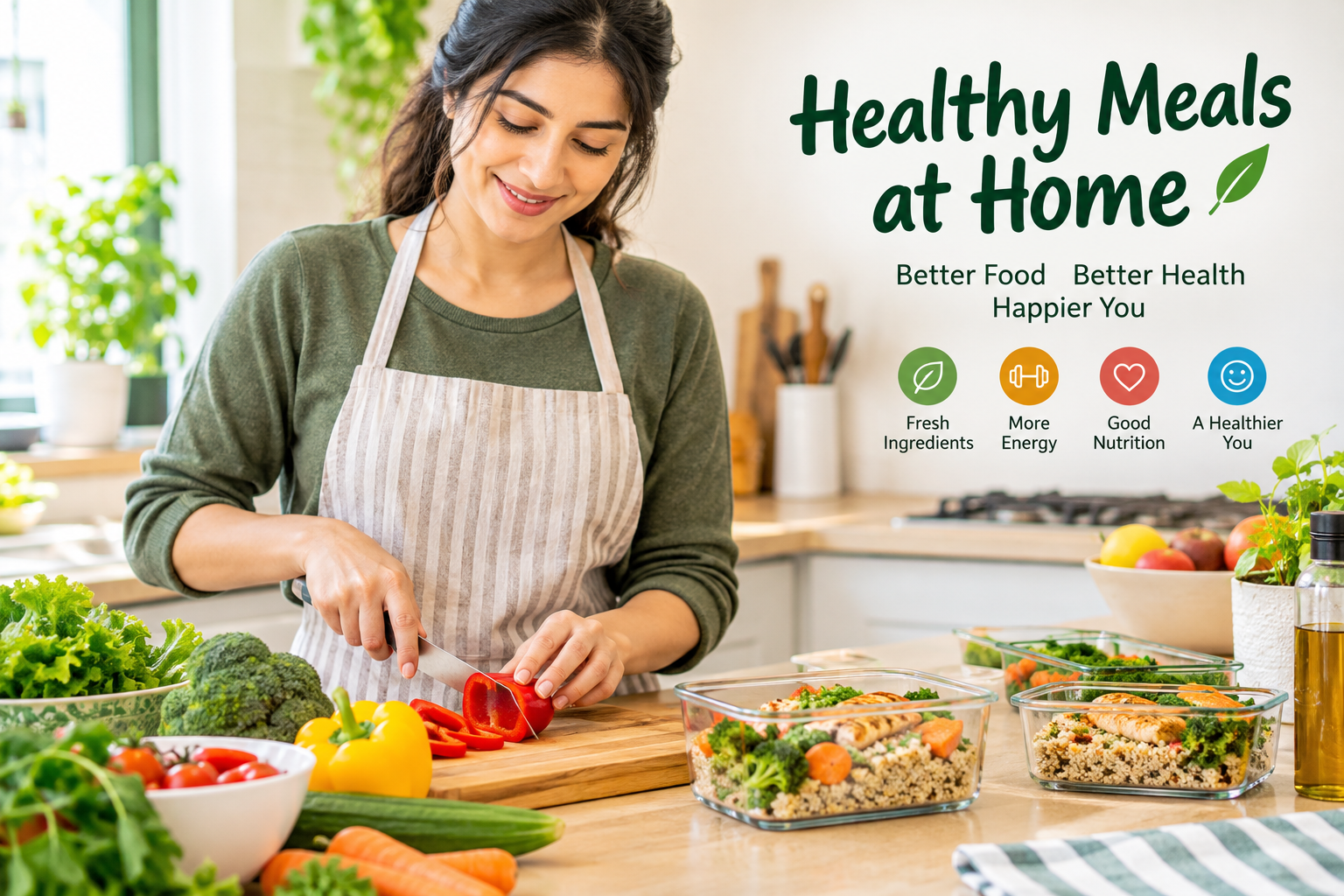
I recommend washing vegetables, chopping ingredients, cooking lentils, and preparing suitable grains in advance. Store prepared ingredients in clean, covered containers in the refrigerator when appropriate.
For example, cooked chickpeas can be added to salads, rice dishes, or vegetable curries. Boiled eggs can provide a quick breakfast, while cooked chicken can be used in sandwiches or served with vegetables.
Meal preparation also helps reduce food waste because ingredients can be used in several recipes.
Food safety is important when preparing meals ahead. Refrigerate perishable foods within two hours of cooking, or within one hour when the temperature is above 90°F (32°C). Keep your refrigerator at 40°F (4°C) or below, and generally use refrigerated cooked leftovers within three to four days.
Preparing a few ingredients ahead of time can make healthy home cooking much easier throughout the week.
6. Make Healthy Breakfast at Home
Breakfast is an opportunity to include protein, fiber, and other nutrients in your daily routine. I prefer breakfast options that are simple, affordable, and easy to prepare.
Oatmeal with bananas, boiled eggs with whole wheat toast, plain yogurt with fruit, and vegetable omelets are practical choices.
If you have limited time in the morning, you can prepare overnight oats the previous evening or boil eggs in advance. Adding nuts or seeds can provide extra variety.
Try to avoid depending on sugary drinks, pastries, and highly sweetened breakfast products every day. These foods can fit into an overall eating pattern occasionally, but choosing more nutritious options regularly can help create a balanced routine.
The best breakfast is one that fits your preferences, schedule, and nutritional needs.
7. Cook Healthy Lunch and Dinner
Lunch and dinner provide opportunities to include a variety of nutritious foods. Homemade meals can be delicious without requiring expensive ingredients.
For lunch, you might prepare lentils with chapati, chicken with vegetables, or chickpeas with salad. For dinner, vegetable soup, baked fish with rice, or homemade beans with whole wheat bread can provide variety.
Traditional meals can also be part of a healthy diet. For example, dal, vegetable sabzi, chapati, and homemade chicken curry can fit into a balanced eating pattern.
I recommend paying attention to portion sizes and using appropriate amounts of oil and salt. Adding vegetables to familiar recipes is another simple way to increase variety.
Cooking an extra portion for the following day’s lunch can save time. Just remember to refrigerate leftovers promptly and reheat them thoroughly before eating.
8. Save Money With Homemade Healthy Meals
Eating healthy does not have to increase your grocery expenses. In many cases, preparing meals from basic ingredients can cost less than regularly purchasing takeaway food.
I recommend creating a shopping list before visiting the grocery store. Compare prices, look for seasonal produce, and choose ingredients that can be used in several recipes.
Affordable foods such as lentils, beans, eggs, oats, seasonal vegetables, and whole wheat flour can form the foundation of many nutritious meals.
Buying suitable ingredients in larger quantities may also help reduce costs when you can store and use them properly.
Another useful habit is using leftovers creatively. Extra vegetables can be added to omelets or soups, while leftover beans can be included in salads or rice dishes.
In my opinion, healthy eating is more about consistent food choices than buying premium ingredients. Simple, home cooked meals can be nutritious and budget friendly at the same time.
9. Reduce Excess Salt, Sugar, and Oil
Small changes in cooking habits can improve the nutritional quality of everyday meals. I try to pay attention to how much salt, added sugar, and oil I use.
Instead of relying entirely on salt, I use garlic, ginger, lemon juice, herbs, and spices to add flavor. Drinking water or unsweetened beverages more often can also help reduce added sugar from drinks.
Packaged sauces, seasoning mixes, canned foods, and processed snacks may contain substantial amounts of sodium or added sugar. Reading nutrition labels can help me make informed choices.
Fat is an important part of a balanced diet, but the type and quantity matter. Nuts, seeds, and suitable vegetable oils can provide unsaturated fats, while excessive consumption of foods high in saturated fat is best avoided.
You do not need to remove all your favorite foods. I believe that moderation and consistent habits are more realistic than trying to eat perfectly every day.
10. Keep Healthy Cooking Simple
One reason people struggle with home cooking is that they try to prepare complicated recipes too soon. I recommend beginning with a few basic meals and improving your skills gradually.
Choose several breakfast, lunch, and dinner options that your household enjoys. Keep commonly used ingredients organized and make sure your kitchen has basic tools such as a chopping board, knife, cooking pot, and food storage containers.
You can also involve family members in planning meals and preparing ingredients. This makes cooking more enjoyable and can help everyone develop better food habits.
Do not worry if every meal is not perfect. The goal is to build a routine that you can maintain over time.
If you have specific medical conditions or dietary requirements, consult a qualified healthcare professional or registered dietitian for personalized advice.
Conclusion
Learning how to prepare healthy meals at home is a practical way to improve everyday eating habits, save money, and enjoy fresh food. In my opinion, the best approach is to keep things simple, plan ahead, choose nutritious ingredients, and prepare balanced meals that suit your lifestyle.
You do not need expensive equipment or complicated recipes to get started. Everyday ingredients such as vegetables, fruits, lentils, eggs, whole grains, and suitable protein foods can help you prepare a wide variety of nutritious dishes.
Start with small changes, such as planning your meals for a few days, using less oil, adding vegetables to lunch and dinner, and preparing ingredients in advance.
With consistency and practice, healthy cooking can become a natural part of your daily routine. The most important thing is to choose habits that are realistic, enjoyable, and easy to maintain.
Frequently Asked Questions
1. What are the easiest healthy meals to prepare at home?
Easy options include vegetable omelets, oatmeal, lentil soup, chickpea salad, grilled chicken with vegetables, and homemade vegetable curry. These meals use common ingredients and can be adjusted to suit different preferences.
2. How can I prepare healthy meals on a low budget?
Plan your meals, buy seasonal vegetables, prepare lentils and beans, use leftovers safely, and choose ingredients that work in several recipes. Cooking at home can help reduce spending on takeaway meals.
3. How long can I store homemade meals?
Most cooked leftovers can be refrigerated for three to four days when stored properly at 40°F (4°C) or below. Refrigerate perishable food promptly and freeze suitable portions if you need to store them longer.
4. How can beginners start eating healthier?
Begin by adding more vegetables and fruit, choosing whole grains more often, including protein in meals, and reducing excessive added sugar and salt. Small, consistent changes are easier to maintain than a complete lifestyle change overnight.
5. Is homemade food healthier than takeaway food?
Homemade food often gives you greater control over ingredients, portion sizes, salt, sugar, and cooking oil. However, the nutritional quality of any meal depends on the ingredients and preparation methods used.