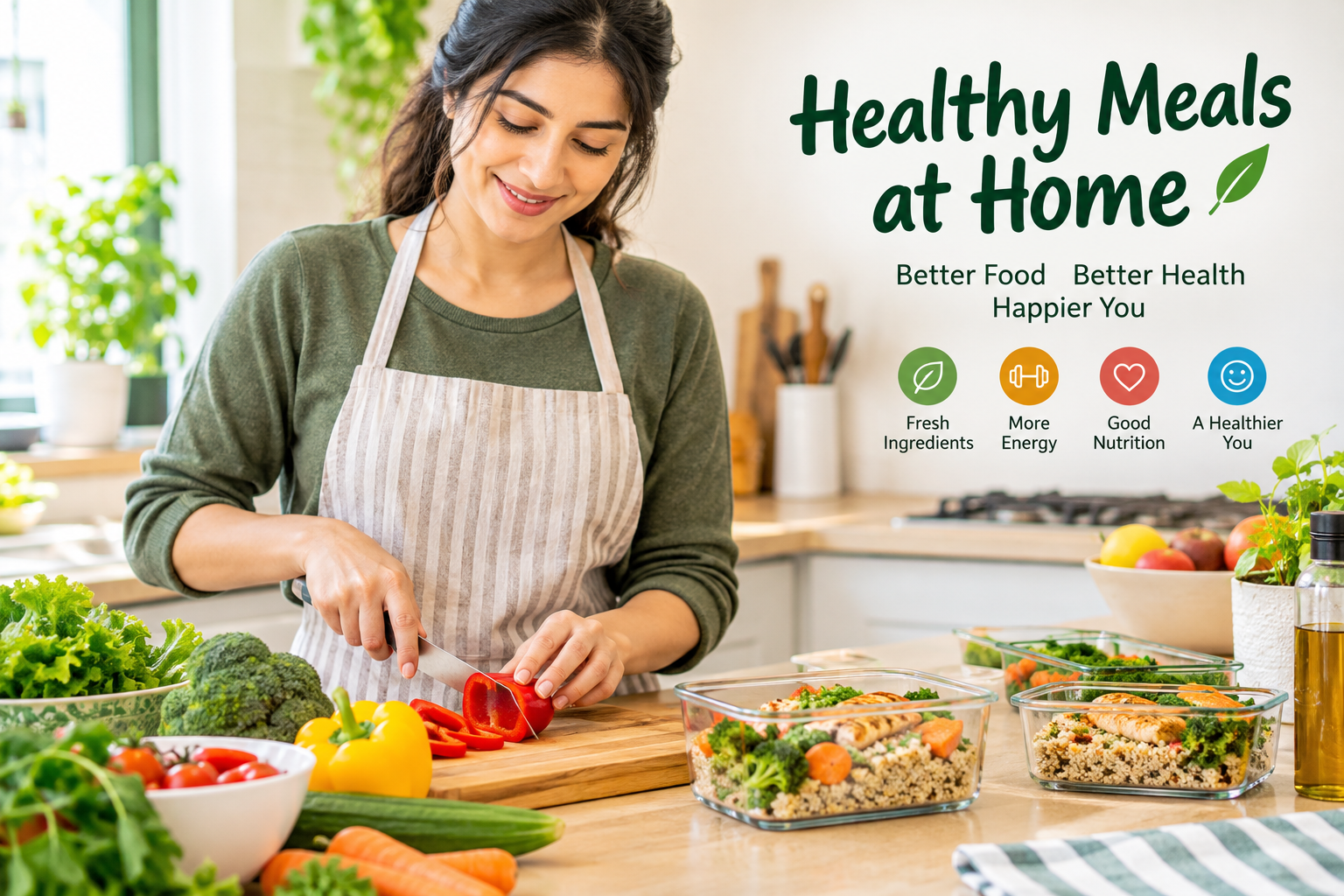
Eating healthy does not have to be difficult, expensive, or time consuming. In my opinion, one of the easiest ways to develop healthy eating habits is to prepare meals in advance. When I plan meals before the week begins, it becomes easier to save time, reduce food waste, and avoid the stress of deciding what to cook every day.
Many beginners think healthy meal preparation requires expensive ingredients or advanced cooking skills. However, I believe simple ingredients such as eggs, rice, chicken, lentils, vegetables, oats, yogurt, and seasonal fruits are enough to get started.
If you have a busy schedule, want to eat balanced meals, or wish to organize your kitchen routine, these simple healthy meal prep ideas for beginners can help you build a practical routine. You do not need to change everything at once. Start with a few easy recipes and gradually discover what works best for your lifestyle.
What Is Healthy Meal Prep?
Healthy meal prep means planning and preparing some or all of your meals ahead of time. It can include washing vegetables, cooking rice, preparing protein sources, making breakfast, or dividing cooked food into containers.
The main purpose is to make healthy eating more convenient. Instead of ordering takeaway food because you have no time to cook, you already have ingredients ready to use.
For beginners, I recommend preparing food for two or three days rather than cooking every meal for an entire week. This approach feels manageable and allows you to enjoy fresh meals without spending too much time in the kitchen.
1. Start With a Simple Weekly Meal Plan
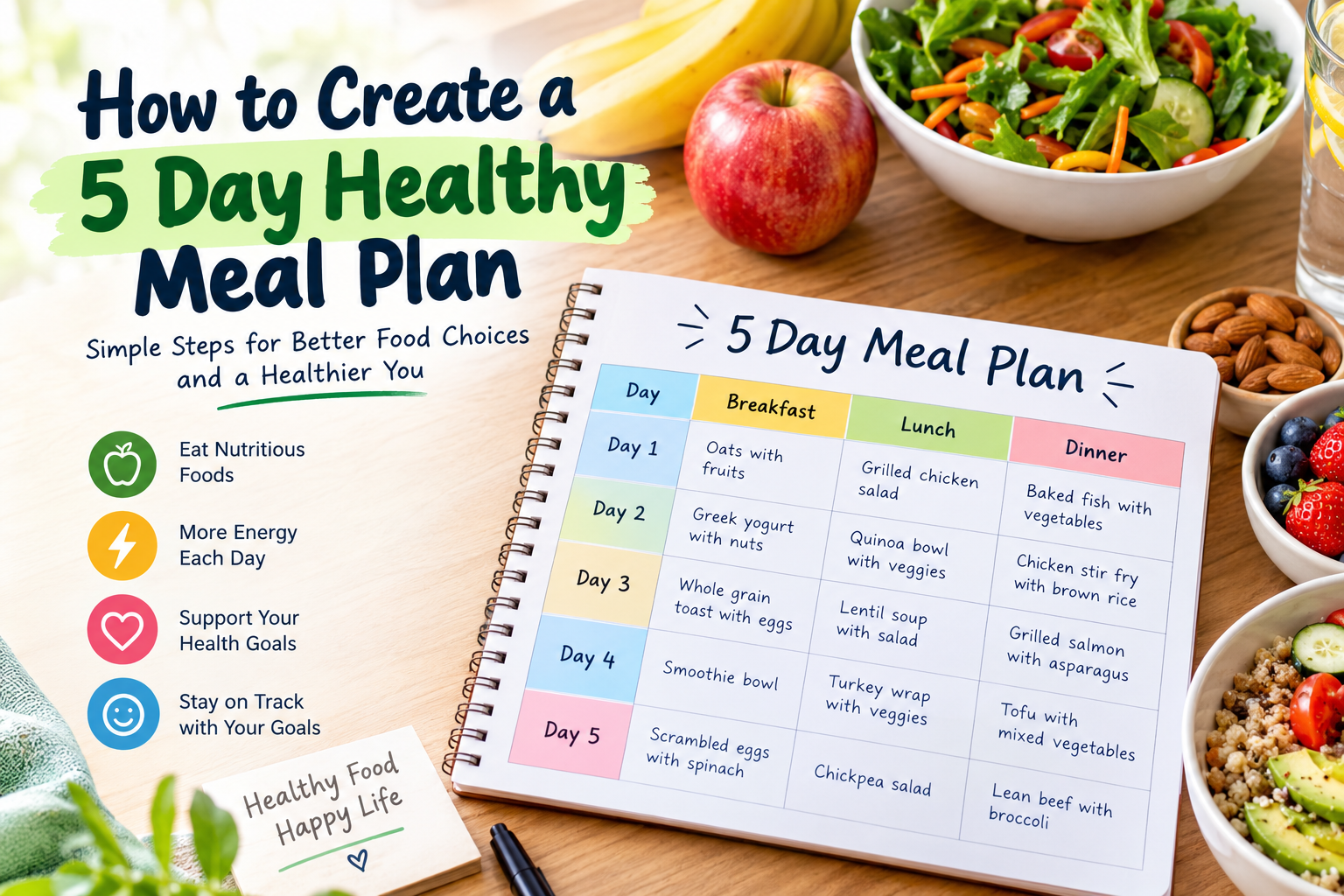
The first step in easy healthy meal prep is creating a basic weekly meal plan. Planning meals before shopping helps organize grocery trips and prevents unnecessary purchases.
You do not need a complicated menu. Choose a few meals for breakfast, lunch, and dinner that use similar ingredients.
For breakfast, you might prepare oatmeal, boiled eggs, or yogurt with fruit. For lunch, consider chicken and rice bowls, vegetable salads, or lentils with whole grain bread. For dinner, try homemade vegetable soup, bean curry, or baked chicken with vegetables.
Write down the ingredients you need and check your kitchen before shopping. If you already have rice, lentils, or cooking oil, use those ingredients instead of buying more.
A simple meal plan also helps you create balanced meals containing vegetables or fruit, protein, and carbohydrates.
2. Prepare Overnight Oats for Breakfast
Breakfast is often one of the easiest meals to skip when mornings become busy. Overnight oats are a convenient solution because you can prepare them the night before.
To make overnight oats, combine rolled oats with milk or an unsweetened alternative in a covered container. Add yogurt if you prefer a creamier texture, then refrigerate overnight.
In the morning, add banana slices, apples, berries, nuts, or seeds according to your taste and budget.
You can also try different combinations to keep breakfast interesting. Banana and cinnamon, apple and yogurt, or peanut butter with banana are simple options.
I like this idea because it requires little preparation and no cooking in the morning. It is especially useful for students, office workers, and anyone who wants a quick homemade breakfast.
3. Cook Rice and Grains in Advance
Rice is an affordable and versatile ingredient that works well in many healthy meal prep recipes. You can serve it with chicken, beans, lentils, vegetables, or homemade curry.
When preparing meals, cook a batch of rice and divide it into portions. You can also use whole wheat pasta, quinoa, or other grains according to your preferences and budget.
Food safety is important when preparing rice in advance. Cool cooked rice quickly, ideally within one hour, and refrigerate it promptly in a covered container. Use refrigerated rice within 24 hours and reheat it thoroughly until steaming hot. Reheat only once.
Preparing grains ahead of time saves effort because you can focus on vegetables and protein when it is time to assemble your meal.
4. Prepare Protein Rich Foods
Protein is an important part of a balanced diet because it supports muscle maintenance and many normal body functions. Including a protein source in your meals can also make them more satisfying.
For beginner meal prep, choose two or three affordable protein sources each week. These might include eggs, chicken, beans, chickpeas, lentils, yogurt, or tofu.
You can boil eggs, cook lentils, prepare chickpeas, or bake chicken with simple seasonings. Divide the cooked food into portions and refrigerate or freeze what you will not use soon.
For example, cooked chicken can be served with rice on one day and added to a vegetable wrap the next day. Chickpeas can be used in salads, sandwiches, and homemade curry.
This approach gives you more variety without requiring a completely different recipe for every meal.
5. Wash and Chop Vegetables Ahead of Time
Preparing vegetables in advance is one of the easiest healthy meal prep ideas for beginners. Washing and cutting vegetables can take time during a busy evening, so completing this task earlier makes cooking easier.
Carrots, bell peppers, cucumbers, cabbage, and broccoli are useful options. Wash, dry, and cut suitable vegetables before storing them in clean containers in the refrigerator.
You can use prepared vegetables in salads, omelets, sandwiches, soups, and rice bowls. Frozen vegetables are another convenient option because they are easy to portion and often require little preparation.
I recommend choosing vegetables that are affordable and available locally. Seasonal produce can help you maintain a varied diet without increasing your grocery budget.
6. Make Easy and Balanced Lunch Bowls
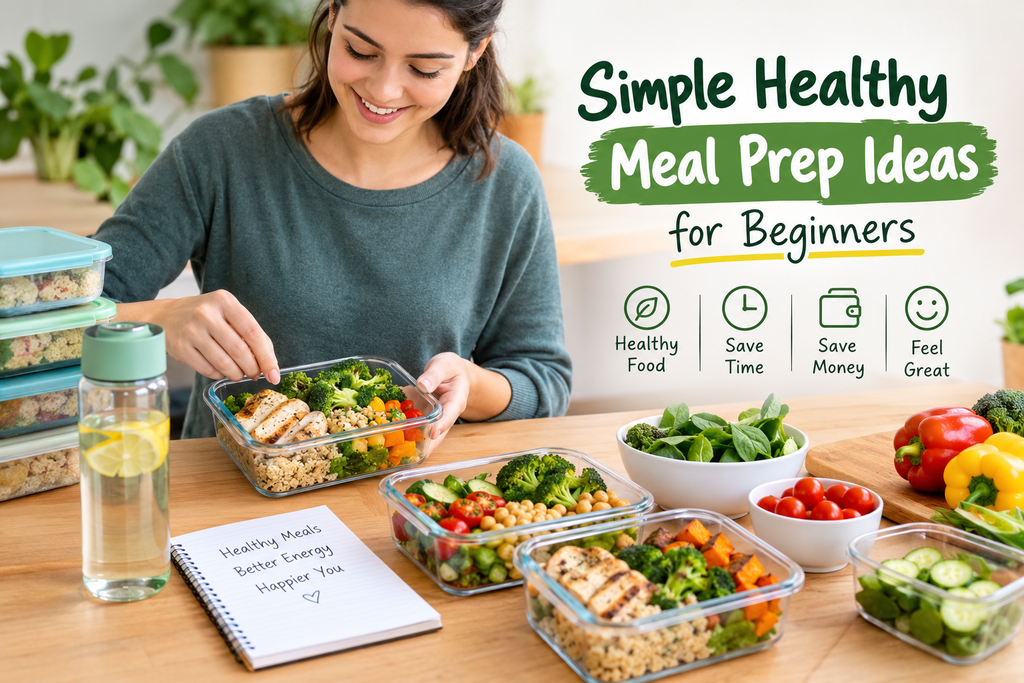
Lunch bowls are among the simplest meals to prepare in advance. They allow you to combine different ingredients in one container, making them convenient for work, school, or home.
A basic lunch bowl can include rice or another grain, a protein source, vegetables, and a simple dressing.
Here are three combinations you can try:
- Chicken, rice, broccoli, and carrots.
- Chickpeas, rice, cucumber, tomatoes, and yogurt dressing.
- Lentils, roasted vegetables, and whole grain rice.
You can change the seasonings to create different flavors. Lemon juice, black pepper, garlic, cumin, and fresh herbs can add taste without requiring complicated recipes.
Keep sauces separate when possible, especially if you want vegetables to remain crisp. If you carry lunch outside the home, use an insulated lunch bag with ice packs to keep perishable food cold.
7. Prepare Healthy Snacks in Advance
Healthy snacks can make your daily routine easier, especially when you have limited time between meals. Preparing a few snack options in advance can help you make convenient food choices.
Some simple options include fresh fruit, plain yogurt, boiled eggs, unsalted nuts, roasted chickpeas, and sliced vegetables with hummus.
You can portion nuts into small containers instead of eating directly from a large packet. Similarly, washing apples or oranges ahead of time makes them convenient to take to work or school.
In my opinion, healthy snacks should be practical rather than complicated. There is no need to purchase expensive packaged products when ordinary foods can serve the same purpose.
Choose snacks that suit your preferences, budget, and daily activities. Remember that snacks are optional, and your hunger levels may change from day to day.
8. Use Simple One Pot Recipes for Dinner
Dinner preparation can feel exhausting after a long day. One pot recipes are helpful because they usually require fewer utensils and less cleaning.
Vegetable and lentil soup, chicken and vegetable rice, bean curry, and vegetable pasta are good starting points.
For a basic lentil soup, cook lentils with onions, tomatoes, carrots, water, and your preferred seasonings until tender. You can prepare several portions and freeze the extras in suitable containers.
Another easy option is vegetable fried rice made with properly refrigerated cooked rice, mixed vegetables, and eggs. Heat the dish thoroughly and avoid leaving cooked food at room temperature for long periods.
These recipes can be adjusted according to the ingredients you already have at home. Using leftover ingredients thoughtfully is a practical way to reduce waste and control food expenses.
9. Choose Affordable Ingredients and Shop Smart
Healthy eating does not always mean buying expensive products. One of the best ways to make meal prep sustainable is to build your shopping list around affordable, versatile ingredients.
Consider buying oats, rice, lentils, beans, eggs, seasonal vegetables, and fruit. Frozen vegetables can also be useful when fresh options are expensive or difficult to store.
Before shopping, check your cupboards and refrigerator. Plan recipes that use overlapping ingredients so you do not buy a large quantity of food for just one meal.
For example, carrots can be added to soup, rice dishes, salads, and lunch bowls. Eggs can be used for breakfast, lunch, or a quick dinner.
Buying only what you can reasonably use helps prevent food waste. Compare prices by package size and usable quantity rather than choosing an item simply because it has a discount.
10. Store Your Meal Prep Safely
Food safety is an essential part of healthy meal preparation. Even nutritious food can become unsafe if it is stored incorrectly.
Use clean containers with secure lids and label them with preparation dates when helpful. Refrigerate perishable food promptly, generally within two hours of cooking, or within one hour when the surrounding temperature is above 32°C.
Keep your refrigerator at 4°C or below. Most cooked leftovers can be refrigerated for three to four days, while cooked rice should ideally be used within 24 hours.
Freeze portions that you will not eat within the recommended storage period. Thaw frozen meals in the refrigerator or use a suitable microwave defrost setting, and reheat leftovers to 74°C.
Do not rely only on smell or appearance to decide whether food is safe. When you are unsure how long something has been stored, it is safer to discard it.
11. Follow a Simple Beginner Meal Prep Schedule
You do not need to spend your entire weekend in the kitchen. Start with a manageable preparation session of around one hour and adjust it as you become more comfortable.
Here is an example of a simple routine:
First 10 minutes: Check your ingredients and prepare a shopping list.
Next 15 minutes: Wash and chop vegetables.
Next 20 minutes: Cook rice, lentils, eggs, or another protein source.
Final 15 minutes: Portion meals and store them safely.
You can work on several tasks at the same time when it is practical and safe. For example, vegetables can be chopped while lentils cook on the stove.
Start by preparing ingredients for two or three days. Once you understand your schedule and storage needs, you can gradually prepare more meals.
12. Common Meal Prep Mistakes Beginners Should Avoid
One common mistake is preparing too many meals before learning which foods you enjoy. This can lead to boredom and unnecessary waste. Start small and introduce new recipes gradually.
Another mistake is using too little variety. Eating the same dish every day may become tiring, so rotate your protein sources, vegetables, grains, and seasonings.
It is also important to understand food storage requirements. Cooking seven days of perishable food and keeping everything in the refrigerator is not a safe approach. Refrigerate short term portions and freeze meals intended for later in the week.
Finally, avoid making your plan too strict. A useful meal prep routine should fit your real life. If your schedule changes, adjust your meals rather than treating the plan as a failure.
Conclusion
Simple healthy meal prep ideas for beginners can make everyday eating more organized, affordable, and convenient. You do not need expensive ingredients or advanced cooking skills to begin. A little planning, a few basic recipes, and safe food storage practices are enough to build a useful routine.
I recommend starting with overnight oats, cooked grains, prepared vegetables, affordable protein sources, and easy lunch bowls. These simple choices can reduce daily cooking stress while helping you create balanced meals at home.
Remember that consistency matters more than perfection. Experiment with ingredients, use seasonal foods, and choose recipes that you genuinely enjoy. As you gain confidence, healthy meal preparation can become a natural part of your weekly routine.
SEO Details for WordPress
SEO Title: Simple Healthy Meal Prep Ideas for Beginners
Focus Keyword: Simple healthy meal prep ideas for beginners
Meta Description: Discover simple healthy meal prep ideas for beginners, including easy recipes, affordable ingredients, weekly planning tips, and safe food storage.
Suggested URL Slug: simple-healthy-meal-prep-ideas-for-beginners
Featured Image Alt Text: Simple healthy meal prep ideas for beginners with fresh vegetables, chicken, grains, and prepared meals in glass containers.