Introduction
Eating healthy does not always require expensive foods, complicated recipes, or hours of meal preparation. In my opinion, one of the simplest ways to improve everyday eating habits is to learn how to make a healthy grocery shopping list. When I plan my shopping before visiting the market, I find it easier to choose nutritious foods, control my spending, and avoid buying unnecessary items.
A healthy grocery shopping list helps me focus on the foods I actually need instead of purchasing products simply because they look attractive or are on sale. It also makes weekly meal planning easier because I already have an idea of what I want to cook for breakfast, lunch, dinner, and snacks.
For beginners, grocery shopping can sometimes feel confusing. There are so many options, including fresh produce, packaged foods, frozen meals, dairy products, whole grains, and snacks. The good news is that making healthier choices becomes much easier when you follow a simple plan.
In this guide, I will explain how to make a healthy grocery shopping list, choose nutritious foods, save money, reduce food waste, and organize shopping for the entire week.
1. Plan Your Meals Before Making a Grocery List
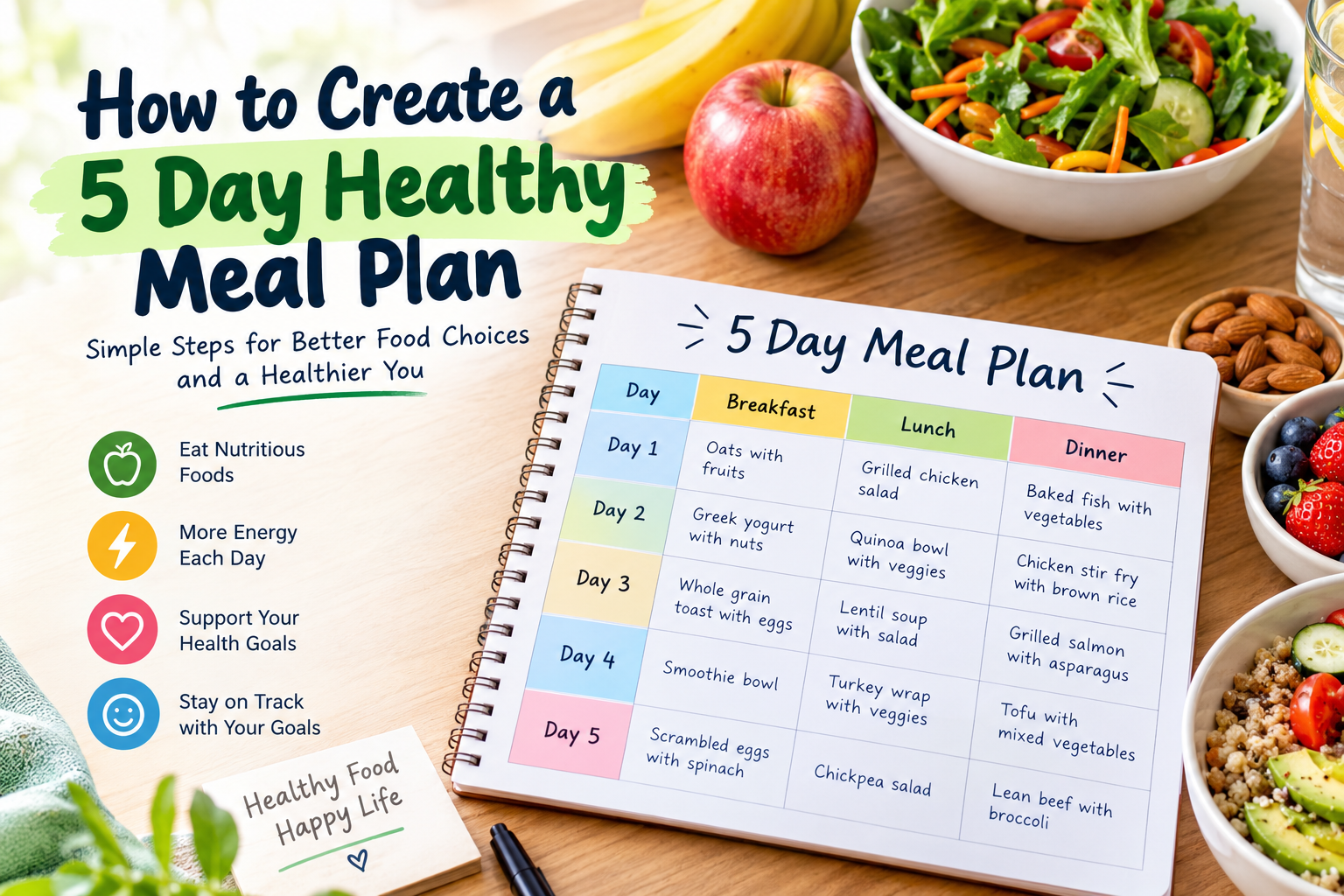
The first step in creating a healthy grocery shopping list is deciding what you want to eat during the week. I believe meal planning makes grocery shopping more organized because it gives every item on the list a purpose.
Before shopping, think about the meals you can realistically prepare. For example, breakfast might include oatmeal, eggs, whole wheat toast, or yogurt with fruit. Lunch could include vegetable rice, lentils, chicken, beans, or a homemade sandwich. Dinner might consist of grilled fish, vegetables, whole grains, or a simple homemade curry.
You do not need to prepare a completely different meal every day. Reusing ingredients in different recipes can save both time and money.
For example, spinach can be used in an omelet, a vegetable curry, or a salad. Cooked chicken can be added to sandwiches, rice dishes, or wraps.
I recommend planning a few main meals first and then writing down the ingredients required for each recipe. This approach helps prevent duplicate purchases and makes it easier to follow a healthy eating routine.
2. Add Fresh Fruits and Vegetables

Fresh fruits and vegetables should be an important part of a healthy grocery shopping list. They provide essential vitamins, minerals, fiber, and other nutrients that support overall health.
When making my shopping list, I like to include different colors of produce because each fruit and vegetable offers its own combination of nutrients.
Consider adding these affordable options:
- Apples, bananas, oranges, and seasonal fruit
- Spinach, cabbage, carrots, and cucumbers
- Tomatoes, onions, and bell peppers
- Broccoli, cauliflower, and green beans
- Potatoes and sweet potatoes
Choose produce according to your budget, local availability, and the meals you plan to prepare. Seasonal fruits and vegetables are often more affordable than products that are out of season.
I also recommend buying quantities that your household can finish before the food spoils. Purchasing too much fresh produce may lead to unnecessary waste.
If fresh options are expensive or unavailable, frozen vegetables and fruit without added sugar can also be useful choices.
3. Choose Whole Grains for Everyday Meals
Whole grains are another important category to include in a healthy grocery shopping list. They provide carbohydrates for energy and often contain more fiber than refined grain products.
Common whole grain options include oats, brown rice, whole wheat bread, whole wheat flour, and whole grain pasta.
In Pakistan and other South Asian households, roti and rice are regular parts of many meals. You do not necessarily need to remove these familiar foods to eat healthily. Instead, consider choosing whole wheat flour more often, including a variety of grains, and balancing portions with vegetables and protein foods.
For example, a balanced lunch might include whole wheat roti, lentils, and cooked vegetables. Another option is brown rice served with beans and a fresh salad.
When buying packaged bread, cereal, or crackers, check the ingredient list to see whether a whole grain is listed prominently.
I find that keeping a few basic grains at home makes it easier to prepare affordable meals without relying on expensive convenience foods.
4. Include Healthy Protein Sources
Protein is important for building and repairing body tissues and supporting normal body functions. Including protein foods in your grocery shopping list can also help make meals more satisfying.
You do not need to buy expensive protein products. Many affordable everyday foods can provide protein.
Here are some useful options:
- Eggs
- Lentils, such as masoor, moong, and chana dal
- Chickpeas and other beans
- Chicken
- Fish
- Plain yogurt and milk
- Tofu, where available
- Peanuts and other nuts
I recommend choosing a mixture of plant based and animal based protein sources according to your preferences and budget. Lentils and chickpeas are particularly useful because they can be used in several traditional dishes.
Before shopping, check whether you already have lentils, beans, or eggs at home. Then purchase only the amount you need for your planned meals.
If you buy meat or fish, plan how you will store it safely. Refrigerate foods that will be used soon and freeze suitable portions for later meals.
5. Add Milk, Yogurt, and Other Nutritious Dairy Products
Milk, yogurt, and other dairy foods can provide protein and calcium. Depending on the product, they may also supply vitamin D and other nutrients.
For a healthy grocery shopping list, consider adding plain milk, unsweetened yogurt, or other dairy products that suit your dietary needs.
I prefer keeping plain yogurt available because it is versatile. It can be eaten with fruit, served alongside a meal, or used as the base for a simple homemade dip.
When buying yogurt or flavored milk, check the nutrition label for added sugar. Some products marketed as healthy options contain substantial amounts of added sugar.
If you cannot tolerate dairy or prefer not to consume it, fortified plant based alternatives may be suitable. Check their labels because protein, calcium, and vitamin content vary between products.
You do not need to purchase every type of dairy product. Select the items your household regularly consumes and include them in your weekly meal plan.
6. Choose Healthy Fats in Reasonable Amounts
Healthy fats are another useful part of a balanced diet. They help the body absorb certain vitamins and provide energy.
When preparing your shopping list, consider including nuts, seeds, olive oil, or other suitable vegetable oils. Peanuts, sesame seeds, and walnuts can also be practical options depending on local prices and availability.
I recommend focusing on ingredients that can be used in several meals rather than purchasing specialty products you may rarely use.
For example, a small quantity of nuts can be added to oatmeal, yogurt, or homemade snacks. Seeds can be sprinkled over salads or mixed into breakfast dishes.
Remember that oils and nuts are energy dense, so reasonable portions are important. The goal is not to eliminate fat but to include appropriate sources as part of a varied diet.
7. Read Food Labels Before Buying Packaged Products

Packaged foods can be convenient, but I believe it is worth checking their labels before adding them to your shopping basket.
Start by looking at the serving size, calories, added sugars, sodium, fiber, and protein. Compare similar products rather than judging a food by its packaging or advertising claims.
For example, when choosing breakfast cereal, compare the sugar and fiber content of different options. When buying canned beans, check the sodium content and look for options with less added salt when practical.
A few simple label reading habits can help you make better decisions:
- Read the ingredient list.
- Compare nutrition information between similar products.
- Look for whole grain ingredients when buying grain products.
- Check added sugars and sodium.
- Pay attention to serving sizes.
You do not need to find a perfect product every time. Focus on the overall quality of your shopping basket and the foods you eat regularly.
8. Prepare a Healthy Grocery Shopping List on a Budget
Healthy grocery shopping does not have to be expensive. In my view, the best strategy is to build your list around affordable foods that offer good nutritional value and can be used in several meals.
Start by setting a realistic weekly grocery budget. Then check your kitchen cupboards, refrigerator, and freezer before writing your list.
Some budget friendly choices include lentils, chickpeas, oats, eggs, seasonal vegetables, bananas, potatoes, and whole wheat flour.
You can also save money by comparing the price per kilogram or per unit rather than looking only at the package price. A larger package is not automatically a better deal if you cannot use it before it expires.
Here are a few additional ways to manage your grocery budget:
- Plan meals around ingredients you already own.
- Buy seasonal produce when prices are favorable.
- Choose store brands when their quality meets your needs.
- Purchase frozen produce when it is more economical.
- Avoid buying large quantities of unfamiliar foods.
- Prepare meals at home more often when practical.
I also suggest keeping a small amount of flexibility in your budget. Prices change, and sometimes another vegetable or protein source offers better value than the one you originally planned to buy.
9. Include Healthy Snacks and Drinks
Snacks can fit into a balanced eating routine, especially when you choose options that satisfy your hunger and complement your meals.
For a healthy grocery shopping list, consider fresh fruit, plain yogurt, boiled eggs, roasted chickpeas, unsalted nuts, or homemade popcorn.
The best options depend on your preferences, dietary needs, and budget. There is no need to buy expensive snack bars or specially marketed health foods if simple alternatives work for you.
Drinks also deserve attention. Water is an excellent everyday choice for hydration. Milk or suitable fortified alternatives can provide additional nutrients, while unsweetened tea can be an option for people who enjoy it.
Try not to fill your shopping basket with sugary drinks simply because they are on promotion. If you regularly drink sweetened beverages, gradually replacing some of them with water can be a practical change.
Remember that healthy eating is about your overall habits, not about making every snack perfect.
10. Organize Your Shopping List by Food Category
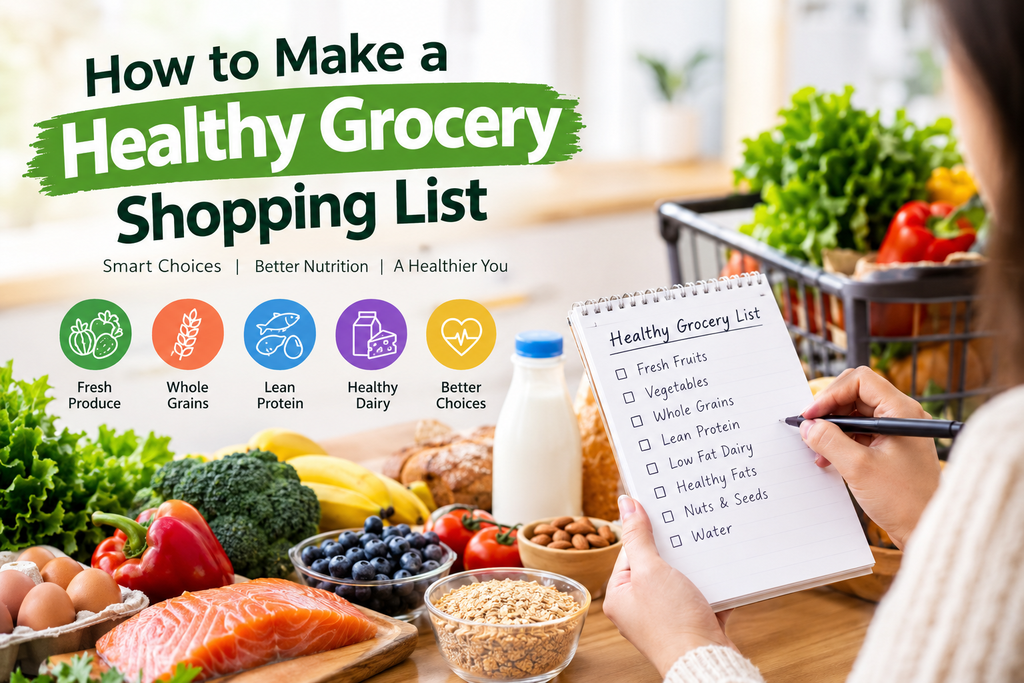
One simple way to make grocery shopping easier is to organize your list into categories. Instead of writing everything randomly, group similar items together.
This helps me keep track of what I need and reduces the chance of forgetting essential ingredients.
Here is a sample healthy grocery shopping checklist for beginners.
Healthy Grocery Shopping Checklist
Fruits and vegetablesApples and bananasSeasonal vegetablesTomatoes and onionsSpinach or other leafy greens
Grains and carbohydratesWhole wheat flourOatsBrown rice or regular riceWhole grain bread
Protein foodsEggsLentils and chickpeasChicken or fishBeans or peanuts
Dairy and alternativesMilkPlain yogurtFortified alternative if needed
Healthy extrasNuts and seedsCooking oilHerbs and spicesDrinking water
0 of 19 items checkedReset list
This checklist is a starting point, not a requirement to buy every item. Adjust the quantities and ingredients according to your family size, meal plan, and budget.
11. Avoid Common Grocery Shopping Mistakes
Even with a good plan, it is easy to make mistakes while shopping. One common mistake is buying too much fresh food. Another is purchasing products because they are discounted, even when they are not needed.
I recommend avoiding grocery shopping when you are extremely hungry, as this may make tempting snacks and convenience foods harder to resist.
It is also helpful to check expiration dates and storage instructions, especially for dairy products, meat, and other perishable foods.
Finally, do not feel pressured to change your entire diet in one shopping trip. Start with a few realistic improvements, such as adding more vegetables, buying whole grains, or preparing meals at home more often.
Small, consistent changes can make healthy grocery shopping easier over time.
Conclusion
Learning how to make a healthy grocery shopping list is a practical way to support better eating habits, save money, and reduce food waste. From my perspective, successful grocery shopping starts with a clear meal plan, a realistic budget, and a focus on nutritious foods that you genuinely enjoy eating.
By including fruits, vegetables, whole grains, protein sources, dairy or suitable alternatives, and healthy fats, you can build a balanced shopping list without making your routine complicated.
Remember to check your kitchen before shopping, compare food labels, choose seasonal ingredients, and purchase quantities you can use. You do not need expensive products or a perfect diet to make progress.
Start with a simple weekly grocery shopping list and improve it as you discover which meals and ingredients work best for your household. With regular planning, healthy grocery shopping can become an easy and sustainable part of everyday life.