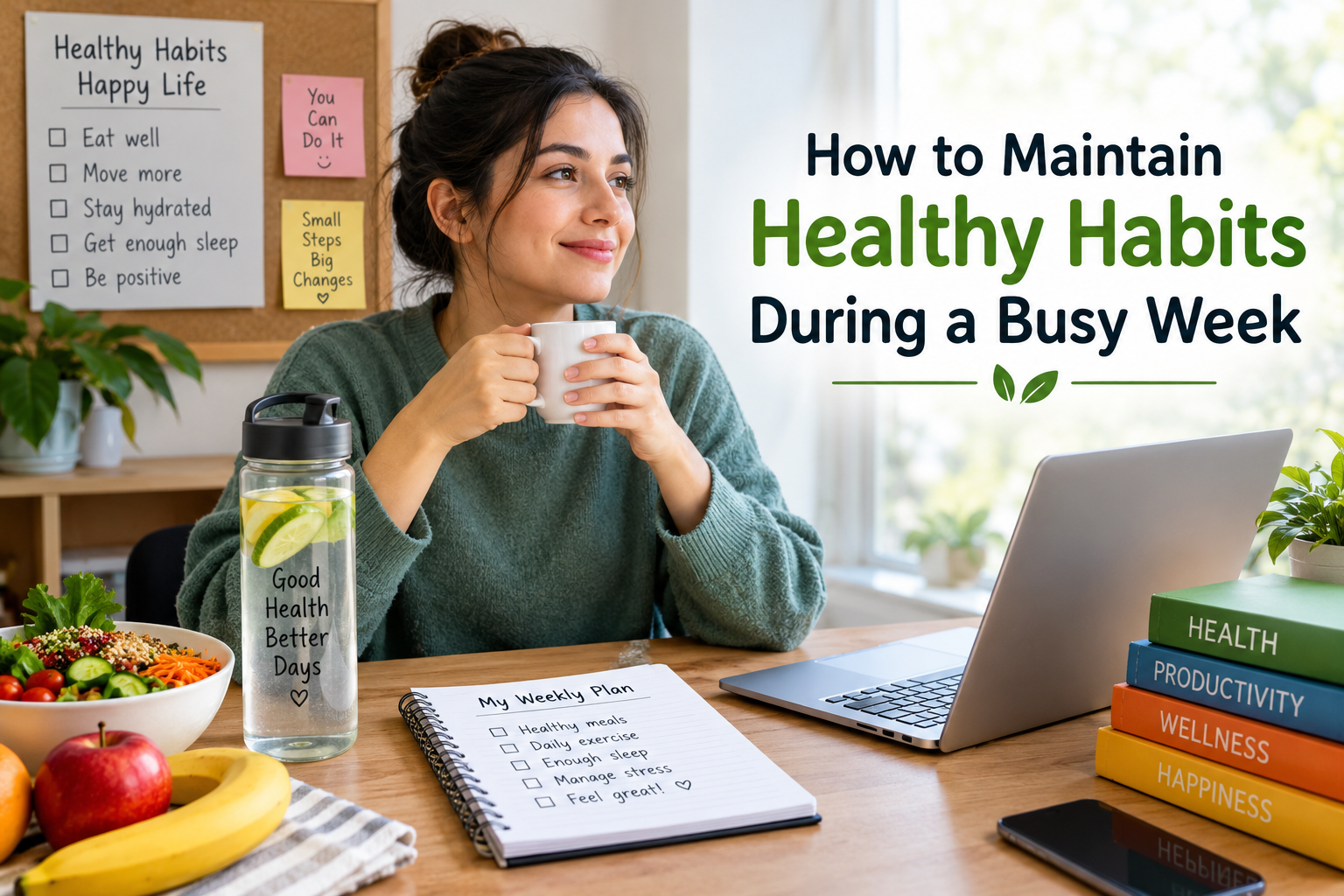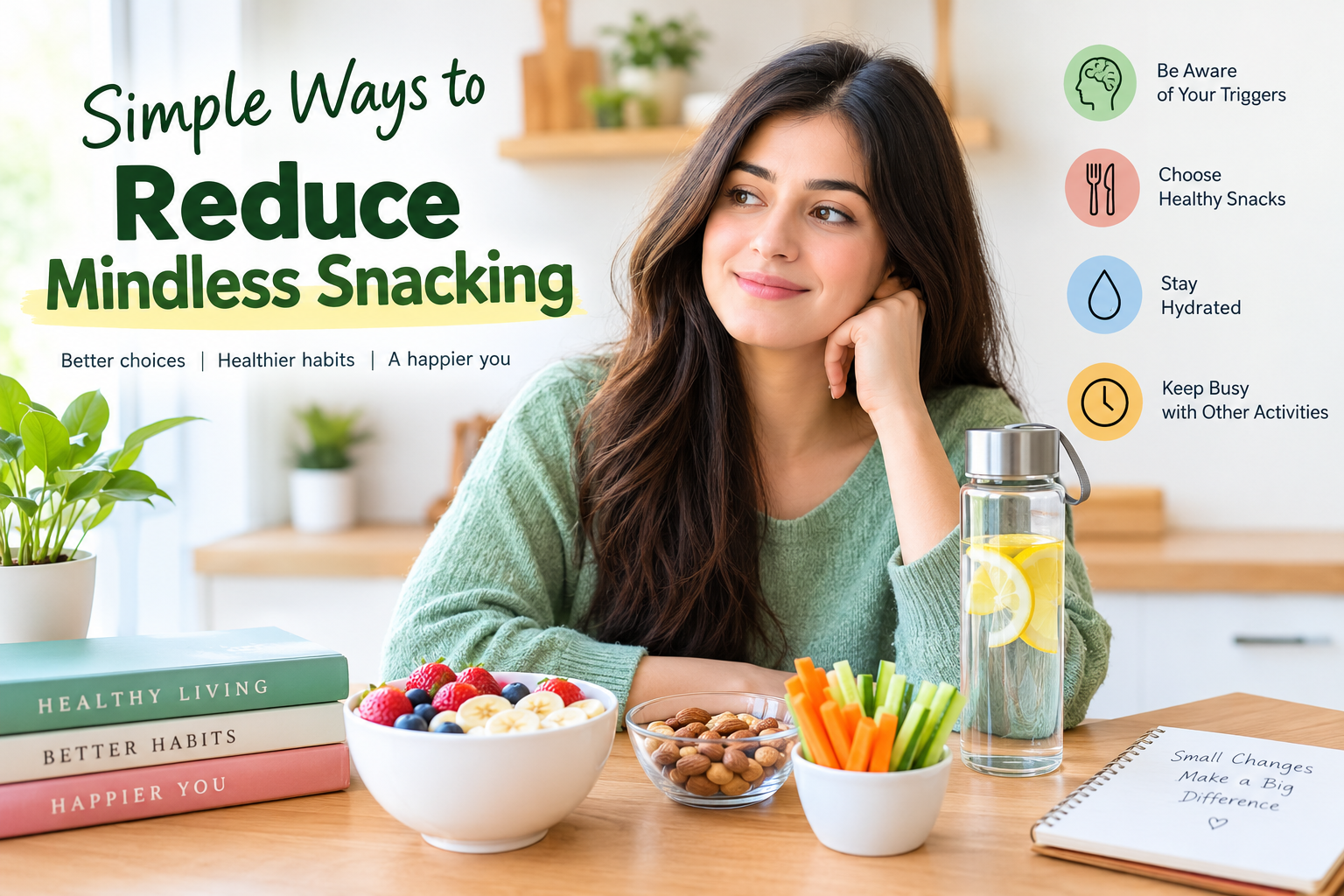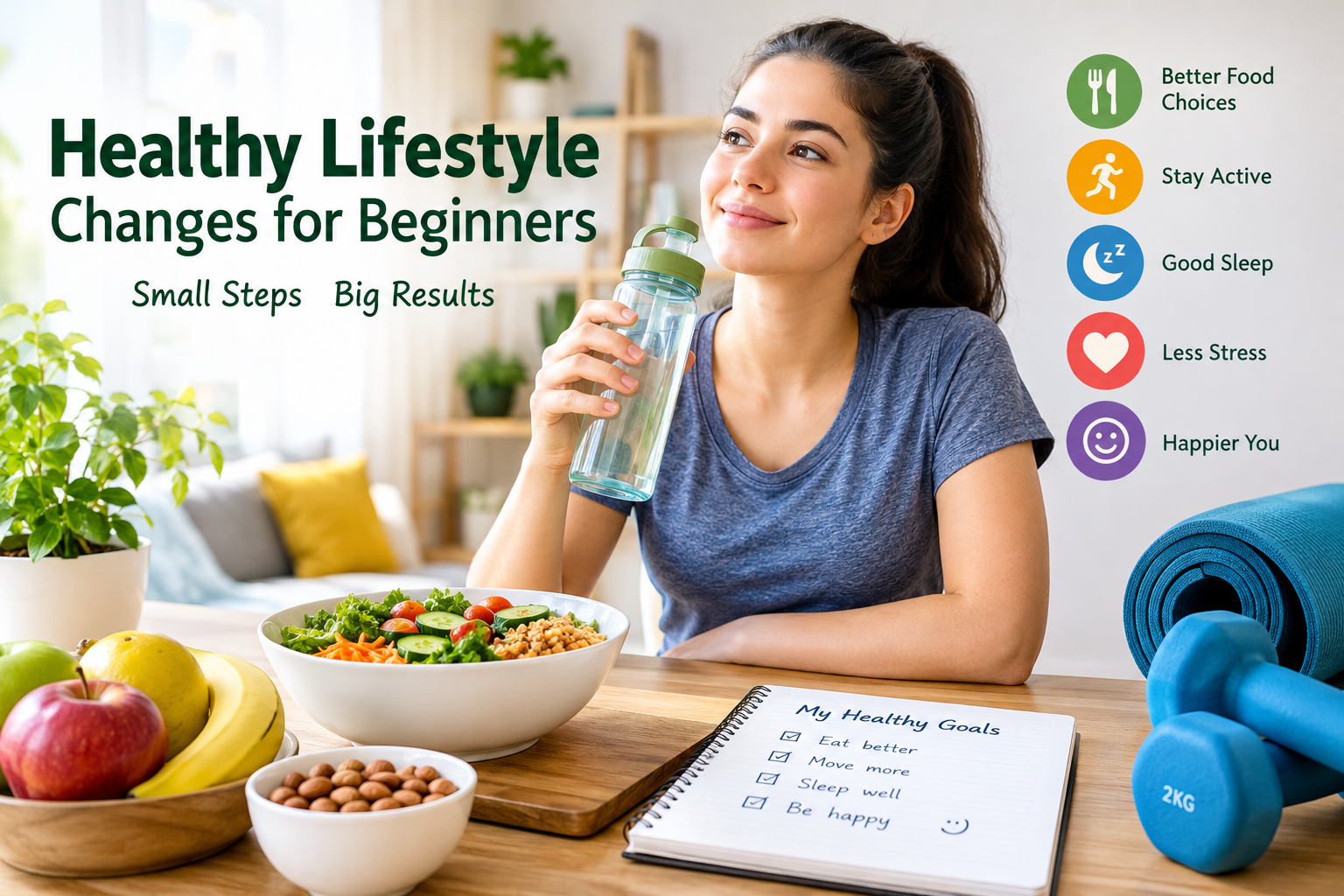
Making healthy lifestyle changes for beginners can feel challenging at first, especially when daily responsibilities leave little time for personal care. However, I believe that living a healthier life does not require expensive gym memberships, strict diets, or a completely different daily schedule. Small and consistent habits can make a meaningful difference over time.
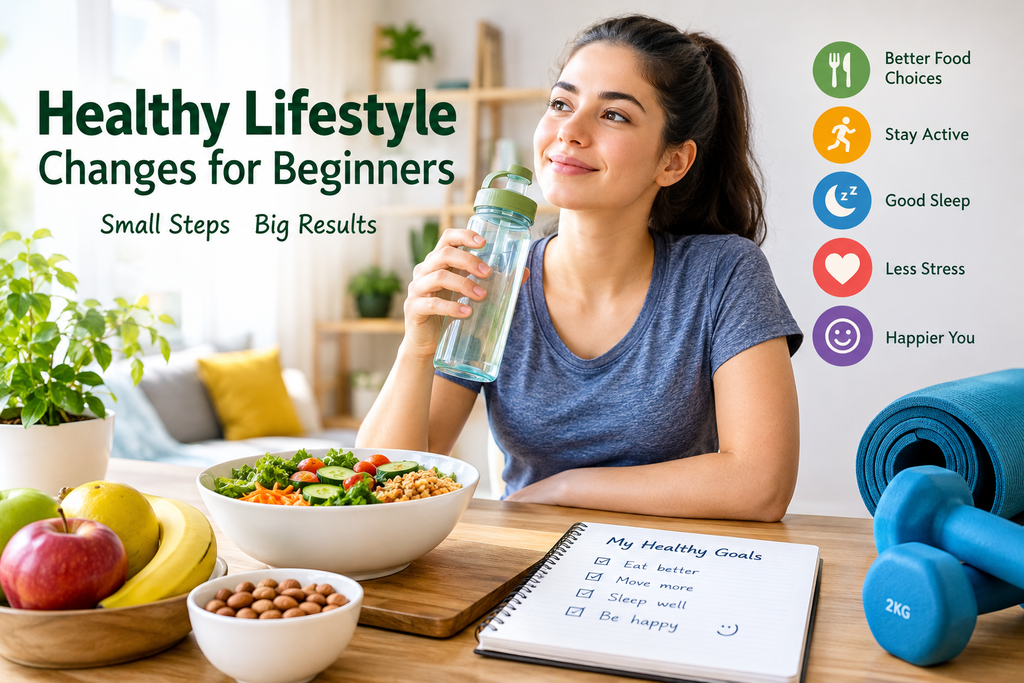
In my opinion, the best way to improve your lifestyle is to start with simple changes that fit naturally into your everyday routine. Eating balanced meals, drinking enough water, staying physically active, getting quality sleep, and managing stress are practical steps that almost anyone can begin exploring.
The purpose of a healthy lifestyle is not to achieve perfection. It is to build habits that support your physical health, mental well being, and everyday energy. If you are new to healthy living, this beginner friendly guide will help you understand where to start and how to maintain your progress.
1. Start With Small and Realistic Goals
One of the most important healthy lifestyle tips for beginners is to avoid changing everything at once. When people try to transform their entire routine overnight, they may feel overwhelmed and give up after a few days.
I prefer the idea of making one small improvement at a time. For example, you can begin by drinking water after waking up, taking a short walk after lunch, or adding a serving of vegetables to your dinner.
These habits may appear simple, but repeating them regularly can help you establish a healthier routine.
Set realistic goals that you can follow even on busy days. If you rarely exercise, start with ten minutes of movement instead of immediately planning an intense workout. Once that habit becomes comfortable, gradually increase your activity.
Remember that consistency matters more than perfection when building a healthy lifestyle.
2. Improve Your Daily Eating Habits
Healthy eating is an essential part of a balanced lifestyle. Your body needs a variety of nutrients to support energy, muscle function, digestion, and overall health.
You do not need to follow an expensive diet plan to improve your food choices. Start by including different food groups in your daily meals.
Try to include vegetables, fruits, whole grains, protein sources, and healthy fats. Foods such as eggs, beans, lentils, yogurt, oats, nuts, and seasonal vegetables can be practical choices depending on your preferences and budget.
For example, a balanced breakfast might include eggs with whole grain bread or oatmeal with fruit. Lunch could include lentils, vegetables, and whole wheat roti. Dinner might consist of chicken or beans with vegetables and rice.
The goal is to create balanced meals that satisfy you and provide useful nutrients.
I also believe that healthy eating should be flexible. You do not need to avoid every food you enjoy. Instead, focus on your overall eating pattern, reasonable portions, and a variety of nutritious foods.
3. Drink Enough Water Throughout the Day
Water is essential for normal body functions, and staying hydrated is a simple healthy habit for beginners.
Some people forget to drink water because they become busy with work, household tasks, or studying. Keeping a reusable water bottle nearby can make drinking water more convenient.
You can also drink water with meals and after physical activity. Fruits and vegetables contribute to your fluid intake as well.
Your individual water needs may vary depending on your activity level, climate, age, and health. Rather than following one fixed amount without considering your circumstances, pay attention to thirst and your body’s needs.
Try to make water your regular drink instead of relying heavily on sugary beverages. You can add lemon or mint for extra flavor if you prefer.
A practical approach is to build water drinking into habits you already have, such as drinking a glass after waking up or keeping water beside your workspace.
4. Make Walking Part of Your Daily Routine
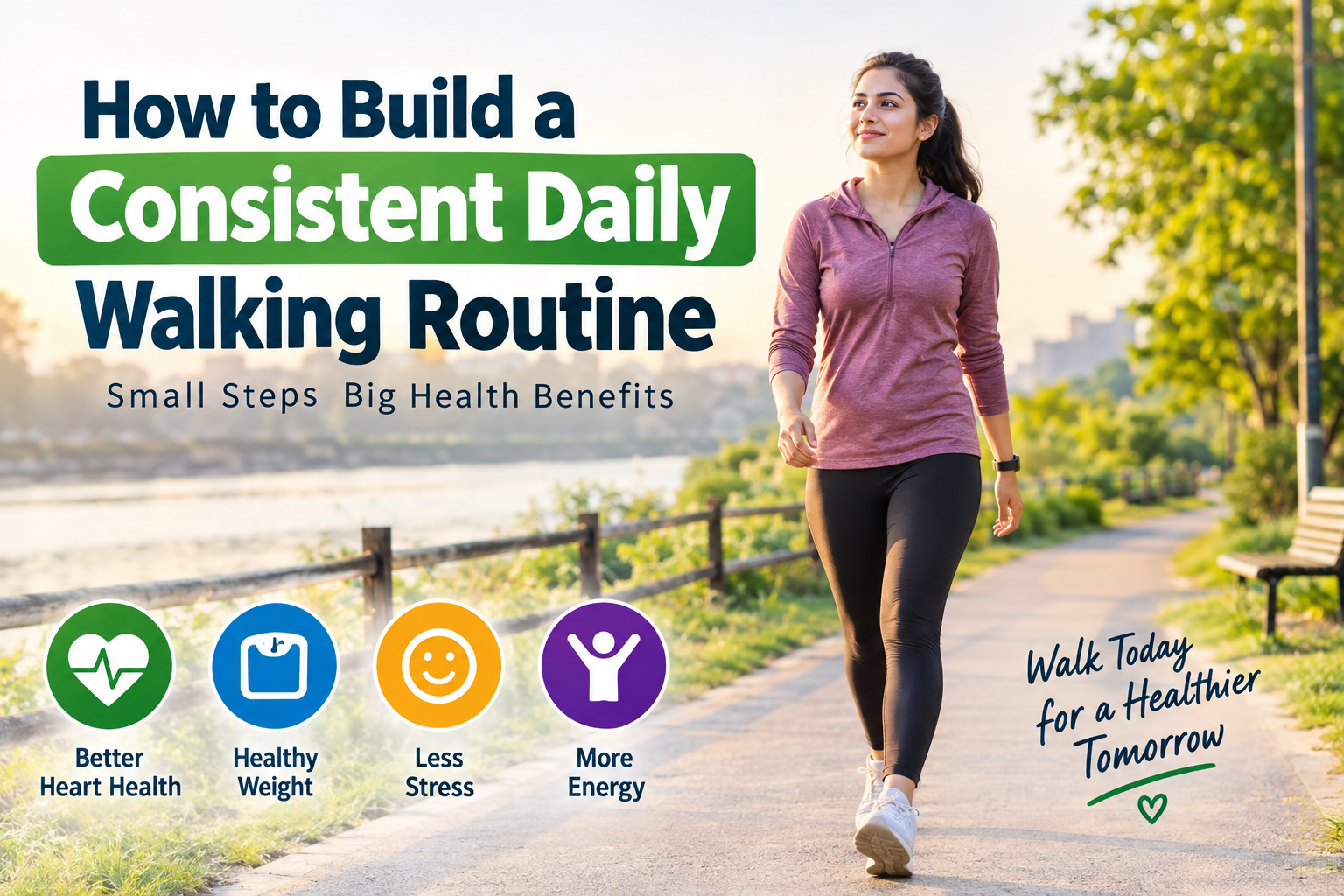
Regular physical activity is one of the most useful lifestyle changes for beginners. Walking is particularly convenient because it usually requires little equipment and can fit into different schedules.
If you are new to exercise, begin with a comfortable five to ten minute walk. You can walk around your neighborhood, in a nearby park, or even indoors when the weather is unsuitable.
As your stamina improves, gradually increase the duration and frequency of your walks.
Walking may support cardiovascular health, improve mood, and help you become more physically active. It can also provide a refreshing break from long periods of sitting.
You do not have to complete every walk in one session. Short walks during breaks or after meals can help you add more movement to your day.
Choose comfortable footwear and a safe route. If you have a health condition or experience concerning symptoms during exercise, seek appropriate medical advice before increasing your activity.
5. Create a Simple Home Exercise Routine
Along with walking, beginners can benefit from simple exercises at home. You do not necessarily need gym equipment to start moving more regularly.
Bodyweight exercises such as chair squats, wall push ups, gentle stretching, and standing calf raises can be useful starting options for many people.
Begin with a few minutes of movement and select exercises that match your current fitness level. Focus on controlled movements and comfortable technique instead of trying to complete as many repetitions as possible.
For example, you could perform a short routine containing gentle warm up movements, wall push ups, chair squats, and stretching.
Start slowly and allow time for recovery. As your strength improves, you can gradually adjust the duration or difficulty.
The most important thing is to choose an activity you enjoy enough to repeat. Dancing, cycling, swimming, and recreational sports are other options for people who prefer something different.
6. Improve Your Sleep Schedule
Good sleep is an important part of maintaining a healthy lifestyle. Insufficient or irregular sleep can affect concentration, mood, energy, and your ability to manage everyday responsibilities.
Adults generally need seven to nine hours of sleep each night, although individual needs can vary.
Try to go to bed and wake up at approximately the same time every day. A consistent schedule can help establish a more regular sleep pattern.
You can also create a relaxing bedtime routine. Reading a book, taking a warm shower, or listening to calm music may help you prepare for sleep.
Keep your bedroom comfortable, dark, and quiet when possible. Reducing bright light and stimulating screen use before bedtime may also help some people relax.
Avoid consuming caffeine too close to bedtime if it affects your sleep.
In my view, sleep should not be treated as wasted time. Rest is an important part of a sustainable health routine, just like nutrition and physical activity.
7. Take Care of Your Mental Well Being
A healthy lifestyle involves more than physical fitness. Mental well being also deserves attention because everyday stress can influence sleep, concentration, relationships, and motivation.
One simple way to manage stress is to create a few quiet minutes in your day. You might practice slow breathing, write down your thoughts, spend time outdoors, or talk with someone you trust.
Try to avoid filling every moment with work or responsibilities. Taking reasonable breaks can help you return to your tasks with a clearer mind.
Social connections can also support emotional well being. Spending quality time with family and friends, sharing concerns, and participating in enjoyable activities can make daily life feel more balanced.
Remember that stress is a normal part of life, and you do not need to feel happy every moment to be healthy.
If persistent anxiety, low mood, or emotional difficulties interfere with daily life, consider speaking with a qualified mental health professional.
8. Reduce Long Periods of Sitting
Many people spend several hours sitting while working, studying, watching television, or using their phones. Even if you exercise occasionally, adding movement throughout the day is a useful habit.
Try standing up and moving around at regular intervals. You can stretch gently, walk while taking a phone call, or complete a small household task between periods of sitting.
If you work at a desk, consider setting a reminder to change positions and take short movement breaks.
These small actions can make your day more active without requiring a separate workout session.
You can also look for opportunities to move naturally. For example, walk while talking to a friend, take the stairs when appropriate, or do some light gardening.
The goal is not to remain active every minute. It is to avoid spending the entire day sitting whenever practical alternatives are available.
9. Build Healthy Habits Around Your Existing Routine
A useful strategy for maintaining healthy lifestyle changes is to connect new habits with activities you already perform.
For example, drink water after brushing your teeth, stretch after getting out of bed, or take a short walk after lunch.
This approach can make healthy habits easier to remember because they become connected to familiar parts of your day.
You can also prepare in advance. Wash fruit before storing it, keep comfortable walking shoes accessible, and plan a few balanced meals for the week.
Avoid creating an unrealistic schedule that leaves no room for unexpected responsibilities. A flexible routine is often easier to maintain than a strict plan.
If you miss a day, simply return to your habits when you can. One difficult day does not erase the progress you have already made.
10. Track Your Progress Without Becoming Obsessed
Tracking your habits can help you understand what is working and where you may need to make adjustments.
You could use a notebook or a simple calendar to record your walks, sleep schedule, water intake, or home workouts.
Instead of focusing only on body weight or appearance, pay attention to other signs of progress. You may notice that walking feels easier, your daily routine becomes more organized, or you have more confidence in preparing balanced meals.
Set small weekly goals that are realistic for your circumstances.
For example, your first week’s goal might be to walk for ten minutes on four days. Your next goal could be to add a few minutes to each walk if you feel comfortable.
Avoid comparing your progress with other people. Everyone starts from a different point, and healthy habits develop at different speeds.
11. Common Mistakes Beginners Should Avoid
When starting a healthy lifestyle, it is easy to become influenced by unrealistic expectations. Avoiding a few common mistakes can make the process more manageable.
First, do not rely on extreme diets or unnecessary food restrictions. Sustainable eating habits are generally more practical than short term approaches that are difficult to maintain.
Second, avoid exercising too intensely before your body is ready. Increase activity gradually and give yourself enough recovery time.
Third, do not expect immediate results. Healthy habits take time to become part of your normal routine.
Fourth, avoid spending money on products you do not need. Basic food choices, regular movement, adequate sleep, and stress management can provide a strong starting point without expensive equipment.
Finally, do not let one missed workout or an unbalanced meal convince you that you have failed. What matters most is your overall pattern of behavior.
12. A Simple Healthy Lifestyle Plan for Beginners
If you are unsure where to begin, use this flexible daily routine as inspiration.
Morning: Wake up at a consistent time, drink water, eat a balanced breakfast, and spend a few minutes stretching.
Afternoon: Choose a balanced lunch, take short movement breaks, and go for a comfortable walk when your schedule allows.
Evening: Prepare a satisfying dinner, spend time with family or enjoy a relaxing activity, and reduce unnecessary screen use before bedtime.
Night: Follow a calming bedtime routine and aim for sufficient sleep.
You do not need to follow this schedule perfectly. Adjust it according to your work, family responsibilities, cultural preferences, and personal needs.
The best routine is one that supports your health while remaining realistic for your everyday life.
Conclusion
Healthy lifestyle changes for beginners do not need to be complicated. Small improvements in nutrition, hydration, physical activity, sleep, and stress management can help you build a more balanced daily routine.
My advice is to start with one or two habits that feel achievable. Practice them consistently, notice how they fit into your life, and gradually introduce other positive changes.
You do not need to become a different person overnight. Focus on making choices that you can continue over the long term.
A healthier lifestyle is a journey rather than a quick transformation. Be patient with yourself, celebrate small achievements, and remember that progress is built through everyday decisions.
Frequently Asked Questions
What is the easiest healthy lifestyle change for beginners?
Starting with a short daily walk, drinking water regularly, or improving your sleep schedule can be a practical first step. Choose a habit that fits your current routine.
How can I start living a healthy lifestyle at home?
Prepare balanced meals, move regularly, follow a consistent sleep schedule, drink enough water, and make time for relaxing activities. You can begin without expensive equipment.
How long does it take to develop healthy habits?
The time required varies from person to person. Focus on repeating small actions consistently instead of expecting every habit to become automatic within a fixed number of days.
Do I need a gym to live a healthy lifestyle?
No. Walking, home exercises, dancing, cycling, and other accessible activities can help you become more active. Choose activities that suit your abilities and preferences.
What should I change first to improve my health?
Start with the area that needs the most attention and feels easiest to improve. For example, you might begin with regular walking, balanced meals, or a more consistent bedtime.
Health note: This article provides general educational information and is not a substitute for individualized medical advice. People with medical conditions or specific dietary and exercise needs should consult an appropriate healthcare professional.