Introduction
After a long and busy day, everyone needs some time to slow down, relax, and prepare for the next day. However, many people spend their evenings checking their phones, finishing unfinished tasks, or worrying about tomorrow. These habits can make it difficult to feel relaxed, even when the day is almost over. This is why learning how to build a relaxing evening routine can make a meaningful difference in everyday life.
In my opinion, a good evening routine does not need to be complicated or expensive. Simple habits such as taking a warm shower, enjoying a quiet moment, reading a book, and preparing for tomorrow can help create a more peaceful evening. The most important thing is to choose activities that make you feel comfortable and help you move away from the stress of the day.
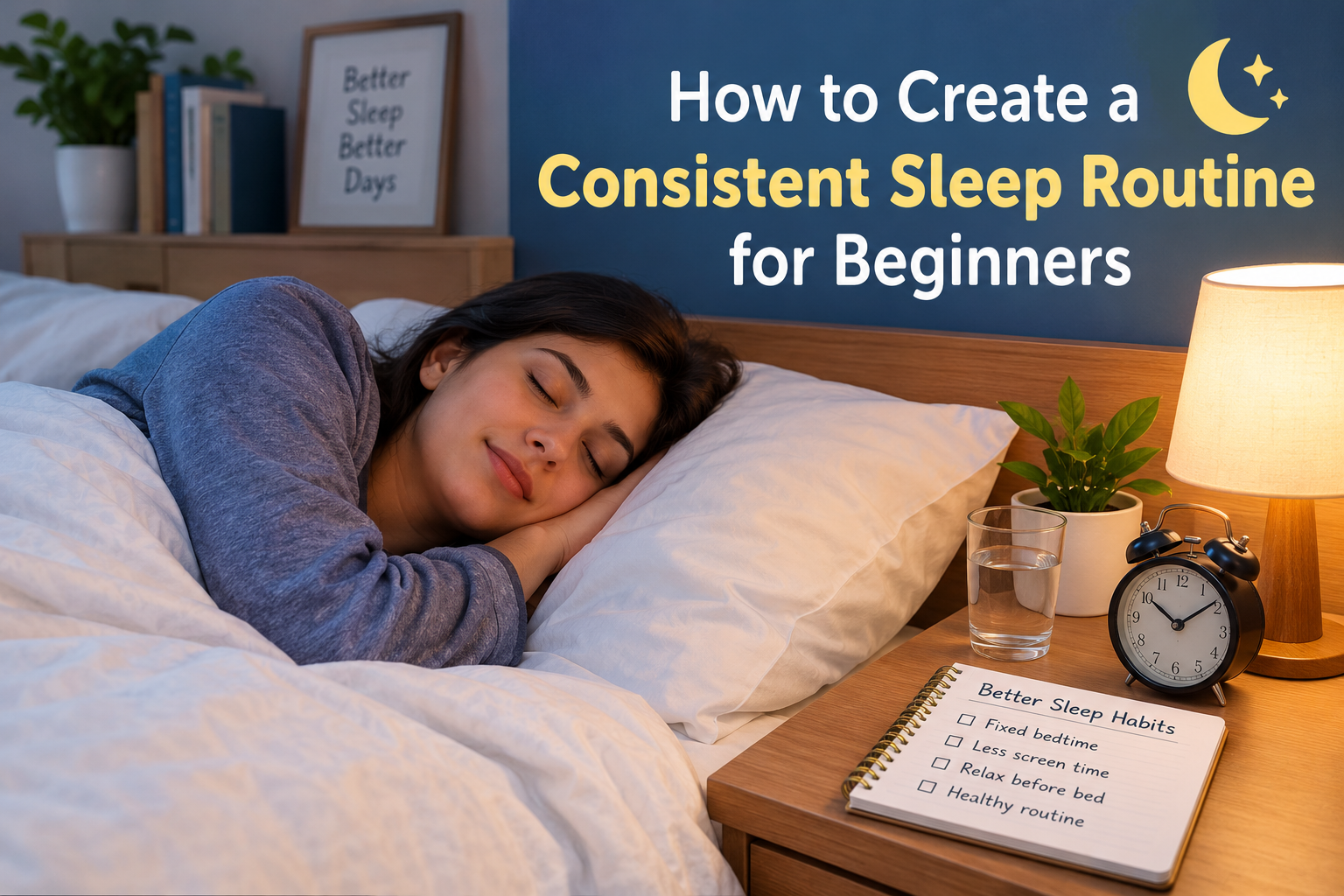
A relaxing evening routine can also support better sleep, improve your mood, and help you develop healthier daily habits. Whether you work full time, study, manage a household, or spend most of your day at home, you can create an evening routine that fits your lifestyle.
1. Set a Consistent Time to Start Your Evening Routine
The first step in building a relaxing evening routine is choosing a reasonable time to begin. Many people wait until they feel completely exhausted before thinking about rest. By then, they may already be spending too much time on their phones or rushing through bedtime activities.
I believe it is helpful to choose a regular time when you can start slowing down. For example, if you usually go to bed around 10:30 p.m., you might begin your evening routine at 8:30 or 9:00 p.m.
You do not have to follow the same schedule every minute. The purpose is to create a familiar pattern that tells your mind and body that the busy part of the day is coming to an end.
Start with a few manageable activities and adjust the timing according to your responsibilities. A consistent routine is generally more useful than an ambitious schedule that is difficult to maintain.
2. Reduce Screen Time Before Bed
One of the most common evening habits is spending too much time looking at a mobile phone, computer, or television. Although watching videos and browsing social media can feel entertaining, these activities can also keep your mind engaged when you want to relax.
For this reason, reducing screen time before bed is an important part of a healthy evening routine.
You can begin by putting your phone away for 20 to 30 minutes before sleeping. If avoiding screens completely feels difficult, start with a shorter period and gradually increase it.
Instead of scrolling through social media, try reading a physical book, listening to gentle music, writing in a journal, or talking with family members.
It is also helpful to silence unnecessary notifications and avoid checking work messages late at night. This creates a clearer boundary between your working hours and personal time.
The goal is not to remove technology from your life. It is to use it more intentionally so your evenings feel calmer and less distracting.
3. Create a Comfortable and Peaceful Environment
Your surroundings can influence how comfortable you feel in the evening. A bright, noisy, or cluttered room may make it harder to settle down, while a clean and comfortable space can encourage relaxation.
You do not need to redesign your bedroom or purchase expensive decorations. Small changes can make a difference.
For example, you can tidy your bedside table, put away unnecessary items, adjust the lighting, and make sure your room feels comfortable. Soft lighting can create a peaceful atmosphere, while clean bedding and a suitable room temperature may make bedtime more pleasant.
If you enjoy plants, you can keep one in your room where appropriate. You might also play quiet background music if it helps you unwind.
I prefer the idea of keeping an evening space simple rather than filling it with too many things. When your surroundings feel organized, it may become easier to focus on rest instead of unfinished chores.
4. Take Time for Personal Care
Personal care is another useful part of a relaxing evening routine. After spending hours working, studying, or managing daily responsibilities, taking care of yourself can provide a welcome change of pace.
A warm shower, washing your face, brushing your teeth, and following a simple skincare routine are practical ways to prepare for the night.
You can also change into comfortable clothing and spend a few minutes stretching gently if that feels good.
The key is to avoid turning personal care into another demanding task. You do not need a long skincare routine or a collection of expensive products to feel refreshed.
Choose habits that are comfortable, affordable, and suitable for your needs. When these activities become familiar, they can help you transition from daytime responsibilities to a quieter evening.
5. Enjoy a Light and Balanced Evening Meal
Your eating habits can also affect how comfortable you feel at night. A very heavy meal shortly before bed may cause discomfort for some people, while going to bed hungry can also make it harder to settle down.
Try to eat a balanced evening meal that suits your schedule and nutritional needs. Include a variety of foods, such as vegetables, whole grains, protein sources, and healthy fats.
If you become hungry later in the evening, a small snack may be appropriate. Choose something that agrees with your digestion and fits your dietary needs.
It is also worth paying attention to caffeine. Coffee, strong tea, energy drinks, and other caffeinated beverages can interfere with sleep, particularly when consumed later in the day. Some people are more sensitive to caffeine than others, so notice how it affects you.
Staying hydrated throughout the day is important, but drinking large amounts of fluid immediately before bed may lead to frequent nighttime bathroom visits.
A balanced approach to evening meals can help you feel more comfortable as you prepare to sleep.
6. Try Reading or Journaling to Clear Your Mind
Sometimes the biggest obstacle to a peaceful evening is not physical tiredness but the thoughts that continue running through your mind. You may remember unfinished work, worry about an upcoming responsibility, or think about something that happened earlier.
Reading and journaling are simple activities that can help you step away from these concerns.
Choose a book that interests you and spend 10 to 15 minutes reading. It could be fiction, personal development, history, or another subject you enjoy. The purpose is to give yourself a quiet activity that does not feel like work.
Journaling is another helpful option. You can write about your day, record something positive, or list the tasks you want to complete tomorrow.
For example, write down three things that went well and one thing you would like to improve. You do not need to write a long entry or follow a complicated method.
In my view, these small habits are valuable because they give you an opportunity to reflect without spending the entire evening thinking about problems.
7. Practice Gentle Stretching or Relaxation Exercises
If your day involves sitting for long periods, gentle movement in the evening may help you feel more comfortable. You can try simple shoulder rolls, neck movements within a comfortable range, or light stretching for your back and legs.
Keep the movements slow and avoid pushing your body into uncomfortable positions.
Breathing exercises can also be part of your evening routine. Sit comfortably, relax your shoulders, and breathe naturally at a gentle pace. You can pay attention to each breath for a few minutes without trying to force deep breathing.
Some people enjoy meditation, while others prefer quiet music or simply sitting in a peaceful room.
There is no single relaxation technique that works for everyone. Experiment with different options and keep the ones that leave you feeling more settled.
If an exercise causes pain, dizziness, or discomfort, stop and choose a gentler alternative.
8. Prepare for the Next Day
One reason people struggle to relax in the evening is that they are worried about what they need to do tomorrow. Preparing for the next day can reduce some of that mental pressure.
Before settling down, spend five to ten minutes organizing a few essentials.
You might choose your clothes, prepare your work bag, check your calendar, or write a short to do list. If you have an important appointment, make sure you know when and where it will take place.
Keep the list realistic. Writing down every possible task can create more stress instead of reducing it.
I find the idea of choosing three main priorities especially practical. It gives you a clear starting point for the following morning without requiring you to plan your entire day in detail.
Once these preparations are complete, allow yourself to stop working. Remember that not every task needs to be finished before you deserve time to rest.

9. Avoid Turning Your Evening Routine Into a Chore
A relaxing evening routine should make life easier, not create another set of expectations. Some people begin with an elaborate schedule that includes exercise, reading, meditation, skincare, meal preparation, and several other activities. After a few days, the routine may become difficult to maintain.
A better approach is to start small.
Choose two or three habits that fit naturally into your current schedule. For example, you might tidy your room, read for ten minutes, and put your phone away before bedtime.
After these habits become familiar, you can add another activity if you want to.
It is also important to remain flexible. Some evenings will be busier than others, and unexpected responsibilities may interrupt your plans. Missing a step does not mean you have failed.
Consistency comes from returning to useful habits, not from following a perfect schedule every night.
10. Make Your Bedroom Suitable for Sleep
Your bedroom should feel like a place where you can rest comfortably. A supportive mattress, comfortable bedding, reduced noise, and a suitable temperature can all contribute to a better sleep environment.
Try to keep work related items away from your sleeping area when possible. If you regularly work in bed, your bedroom may start to feel like an extension of your workplace.
It can also help to keep your bedtime and wake up time reasonably consistent, including on weekends. Adults generally need at least seven hours of sleep per night, although individual needs vary.
Avoid using your bed for prolonged phone browsing when your intention is to sleep. If you cannot fall asleep, stay calm and consider a quiet activity in dim light until you feel sleepy again.
A comfortable bedroom and a predictable bedtime routine can support healthier sleep habits over time.
11. Example of a Simple Relaxing Evening Routine
If you are unsure where to begin, the following example provides a practical starting point. Adjust the times to match your own schedule.
7:30 p.m. Finish dinner and tidy the kitchen.
8:00 p.m. Prepare clothes, organize essential items, and write tomorrow’s priorities.
8:30 p.m. Take a warm shower and complete your personal care routine.
9:00 p.m. Reduce screen time and enjoy reading, gentle stretching, or quiet music.
9:30 p.m. Dim the lights, put your phone away, and spend a few minutes relaxing.
10:00 p.m. Go to bed if this timing fits your sleep needs and morning schedule.
This is only an example, not a strict rule. If you work late, care for children, or follow a different sleep schedule, you can create a routine that starts earlier or later.
The most useful evening routine is the one you can realistically follow.
Conclusion
Learning how to build a relaxing evening routine is about creating simple habits that help you move away from daily stress and prepare for restful sleep. You do not need expensive products, a perfect bedroom, or a complicated schedule to make your evenings more peaceful.
Start by choosing a consistent wind down time, reducing unnecessary screen use, creating a comfortable environment, and taking care of your basic needs. Add activities such as reading, journaling, gentle stretching, or preparing for tomorrow when they fit your lifestyle.
Remember that healthy habits develop gradually. Give yourself time to discover which activities work best for you, and do not worry if every evening looks a little different.
A relaxing evening routine is not about making every minute productive. It is about giving yourself permission to slow down, recover from the day, and approach tomorrow with a clearer mind and a more balanced attitude.