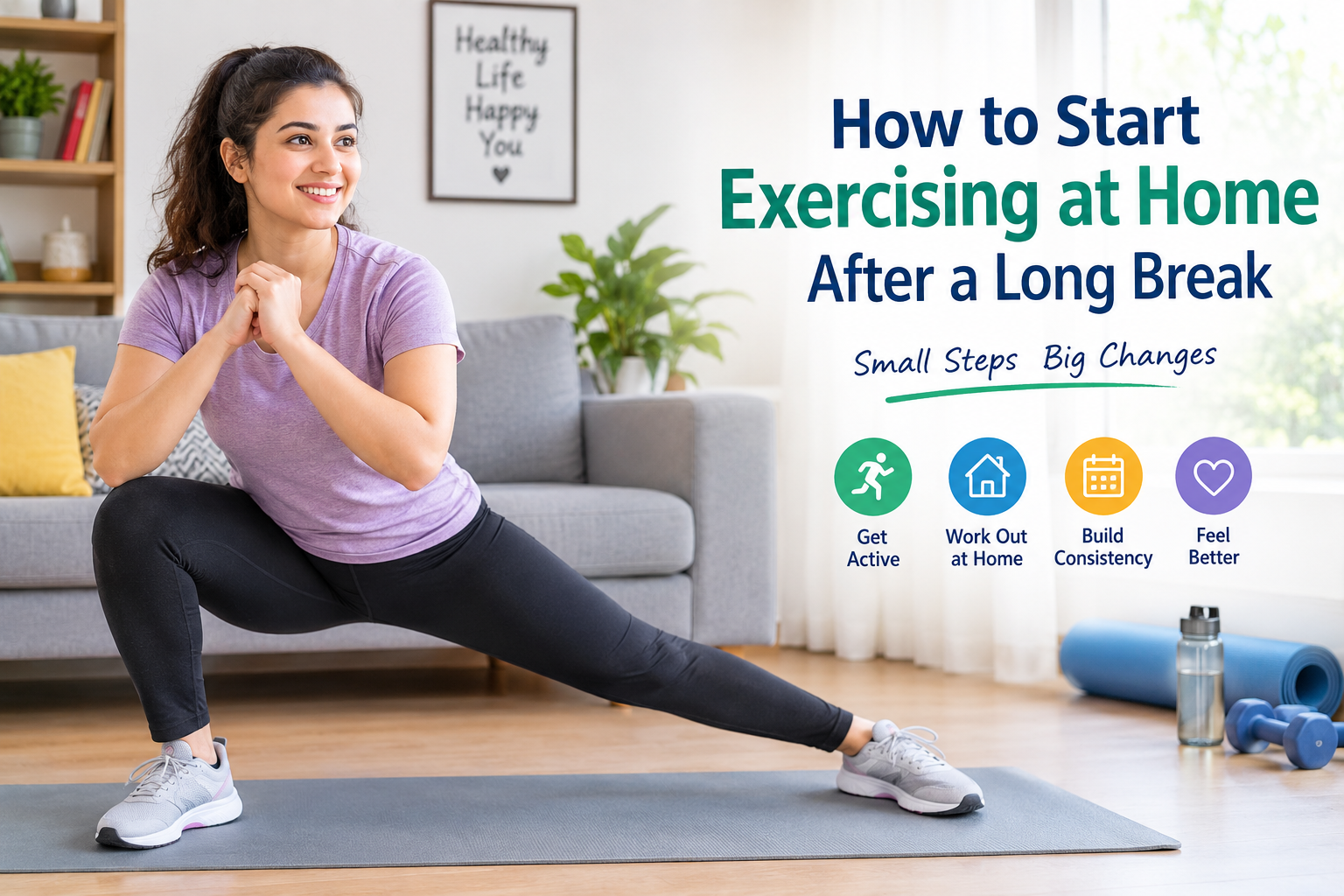
Getting back into exercise after a long break can feel challenging, especially when you have lost your previous routine or feel that your fitness level is not what it used to be. Whether you stopped exercising because of a busy schedule, family responsibilities, work pressure, or a lack of motivation, the good news is that you can start again from the comfort of your home.
In my opinion, the best way to restart a fitness routine is to keep things simple and focus on consistency instead of trying to achieve quick results. You do not need an expensive gym membership or complicated equipment to become more active. With a little planning, patience, and the right exercises, you can gradually rebuild your strength, improve your stamina, and make physical activity part of your daily life.
In this guide, I will explain how to start exercising at home after a long break, which beginner friendly exercises to choose, and how to develop a routine that feels manageable and enjoyable.
1. Start With Small and Realistic Goals
One of the most common mistakes people make when returning to exercise is trying to do too much on the first day. After weeks, months, or even years without regular physical activity, your body may need time to adjust.
I believe setting small goals is one of the easiest ways to build a lasting exercise habit. Instead of planning an intense workout for an hour, begin with 10 to 15 minutes of light activity. You can increase the duration as your fitness and confidence improve.
For example, your first goal might be to walk around your home, perform a few gentle stretches, or complete a short beginner workout. These activities may seem simple, but they help you establish a routine.
The important thing is to choose a goal that fits your current ability. When exercise feels achievable, it becomes easier to repeat it regularly.
2. Prepare a Comfortable Workout Space at Home
You do not need a dedicated home gym to start exercising. A small, clean area with enough room to move safely is usually sufficient.
Before beginning your workout, remove objects that could cause you to trip. Choose a flat surface and wear comfortable clothing that allows you to move freely. Supportive footwear may also be helpful, depending on the exercises you choose.
I prefer the idea of keeping workout preparation simple because it removes unnecessary barriers. If your exercise space is ready, you can begin your routine without spending extra time arranging equipment.
A yoga mat, a sturdy chair, and a water bottle can be useful, but they are not essential for every beginner workout. Many effective exercises use only your body weight.
3. Begin With a Gentle Warm Up
A warm up prepares your body for physical activity and helps you transition from rest to movement. This is particularly useful when you are returning to exercise after a long break.
Spend approximately five minutes performing gentle movements before your main workout.
You can include marching in place, shoulder circles, slow arm swings, gentle side steps, and comfortable ankle movements. Keep the pace relaxed and gradually increase your movement as you feel ready.
Avoid sudden, forceful movements when your body is not prepared. The purpose of a warm up is to increase movement gradually, not to make yourself tired before the workout begins.
If you feel unusually breathless, dizzy, or unwell during the warm up, stop and assess how you feel before continuing.
4. Choose Beginner Friendly Exercises
When restarting exercise at home, I recommend choosing simple movements that work different parts of the body. You can begin without equipment and adjust each exercise to suit your current ability.
Walking or Marching in Place
Walking is a practical starting point for people who want to become more active. If going outdoors is inconvenient, marching in place provides an easy alternative.
Begin with two to five minutes at a comfortable pace. Keep your posture upright, move your arms naturally, and take breaks whenever needed.
As your stamina improves, you can gradually extend the duration.
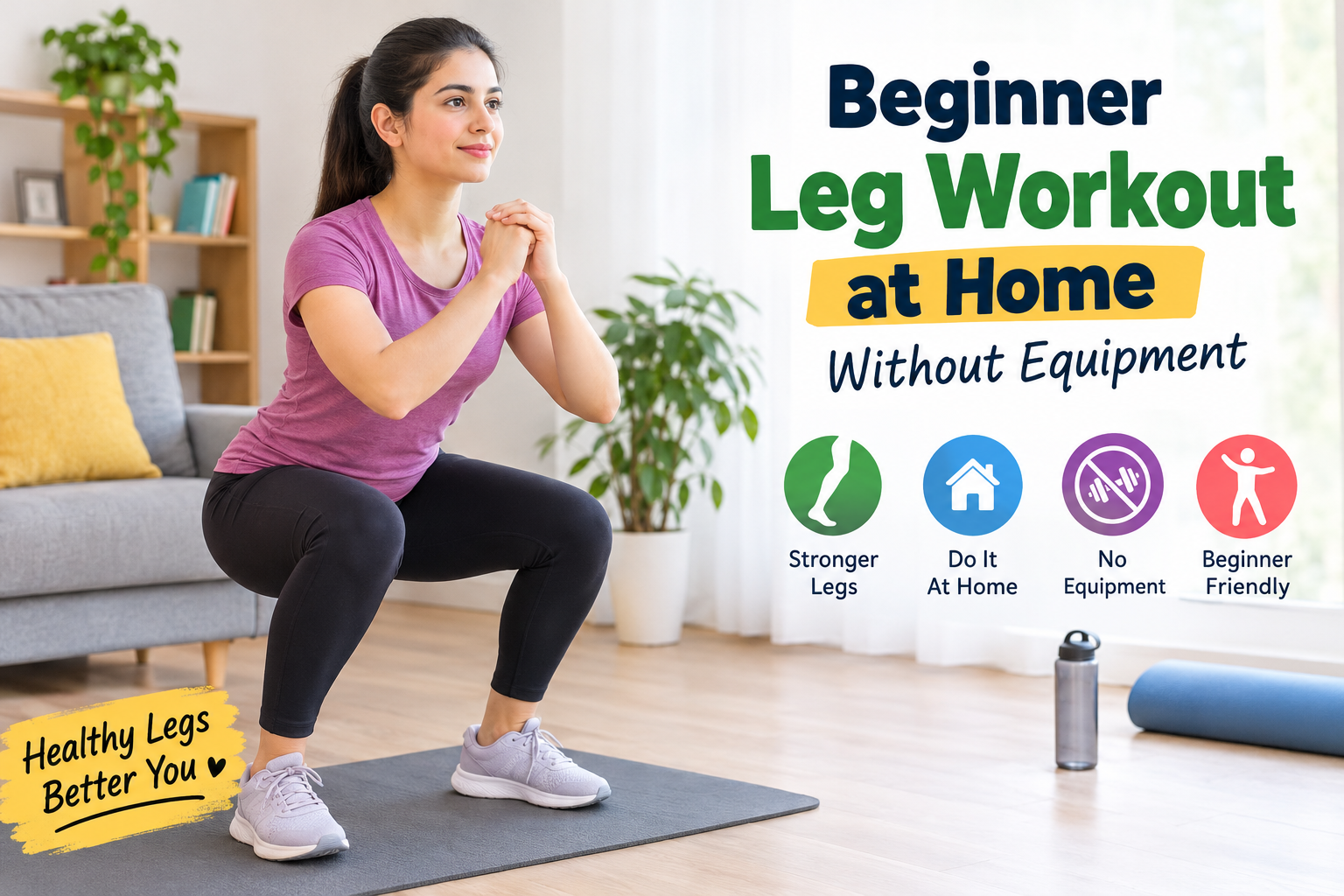
Chair Squats
Chair squats help you practise a basic lower body movement while using a chair for support.
Stand in front of a sturdy chair with your feet about shoulder width apart. Slowly bend your knees and move your hips backward as if you are going to sit down. Touch the chair lightly, then return to standing.
Start with five repetitions if that feels comfortable. Keep your movements controlled and avoid forcing your knees or hips into uncomfortable positions.
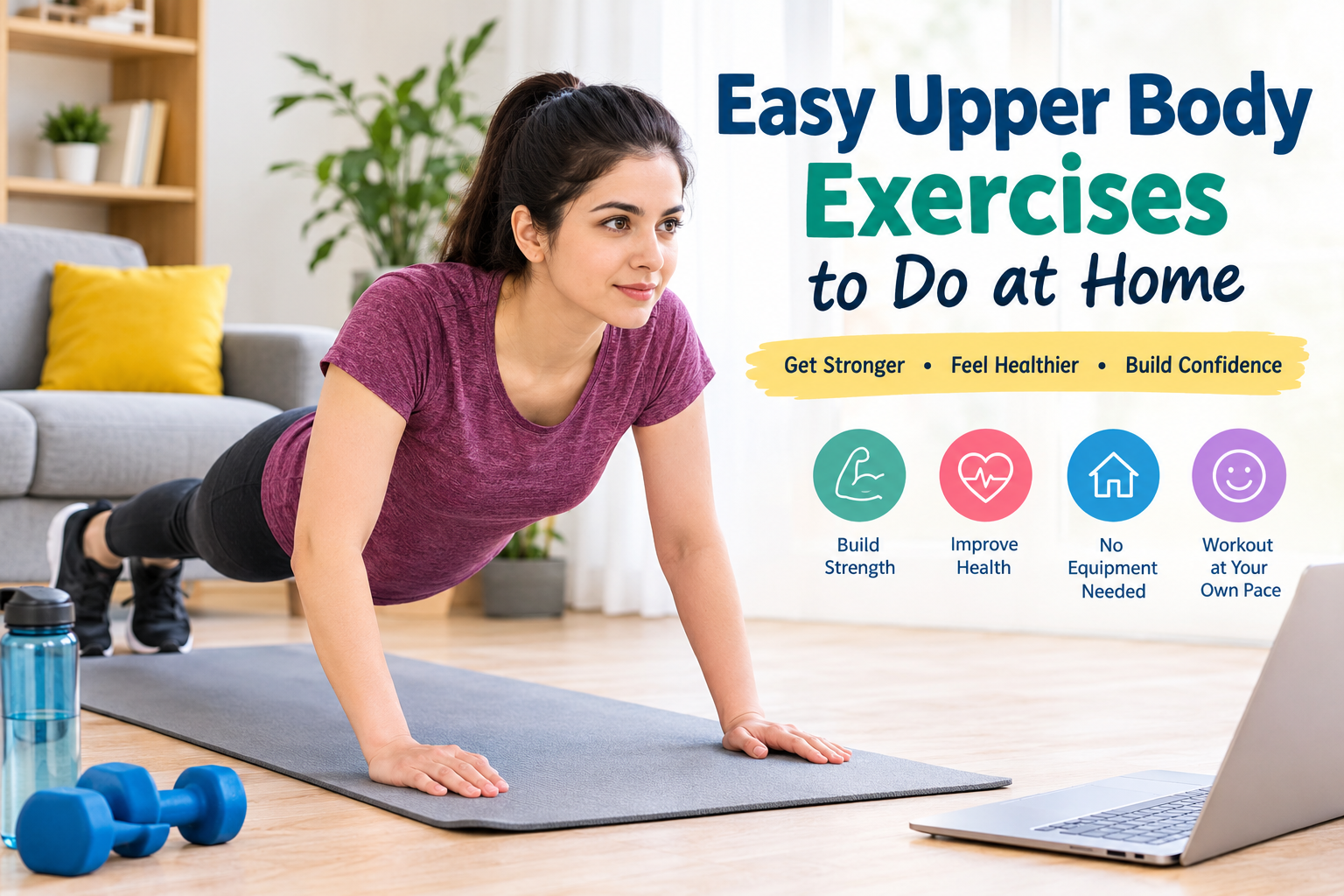
Wall Push Ups
Wall push ups are a beginner friendly alternative to traditional floor push ups.
Stand facing a wall and place your palms against it around shoulder height. Keep your body in a straight line, bend your elbows to bring your chest closer to the wall, and then push back to the starting position.
Try five to eight repetitions initially. This exercise works the chest, shoulders, and arms while allowing you to adjust the difficulty.
Standing Calf Raises
Stand behind a sturdy chair and hold it lightly for balance. Slowly lift your heels off the floor, rise onto your toes, and lower your heels with control.
Begin with eight to ten repetitions if comfortable. This simple movement helps you practise balance and strengthen your calf muscles.
Gentle Standing Knee Raises
Stand tall and hold a chair or wall for support if necessary. Lift one knee slightly toward your waist, lower it, and repeat with the other leg.
Alternate sides at a comfortable pace. Start with five repetitions per side and focus on balance rather than speed.
These exercises offer a simple foundation for a home workout routine. You can perform fewer repetitions or take longer breaks if needed.
5. Follow a Simple Home Workout Routine
A structured plan can make it easier to restart exercise without feeling overwhelmed. The following routine is designed for generally healthy beginners who can perform these movements comfortably.
Your First 15 Minute Workout
Warm up for 5 minutes
March gently in place for two minutes. Perform shoulder circles for one minute, followed by slow side steps and comfortable arm movements for two minutes.
Main workout for 7 minutes
Perform chair squats for 30 seconds, followed by a short rest. Do wall push ups for 30 seconds, followed by another rest. Continue with standing knee raises and calf raises.
Repeat the movements at a comfortable pace, taking additional breaks as necessary. You do not need to work continuously for the entire seven minutes.
Cool down for 3 minutes
Slow your movements, walk gently around the room, and perform comfortable stretches for your calves, shoulders, and legs.
The goal of this routine is to reintroduce movement, not to push yourself to exhaustion. If 15 minutes feels too difficult, start with five minutes and build gradually.
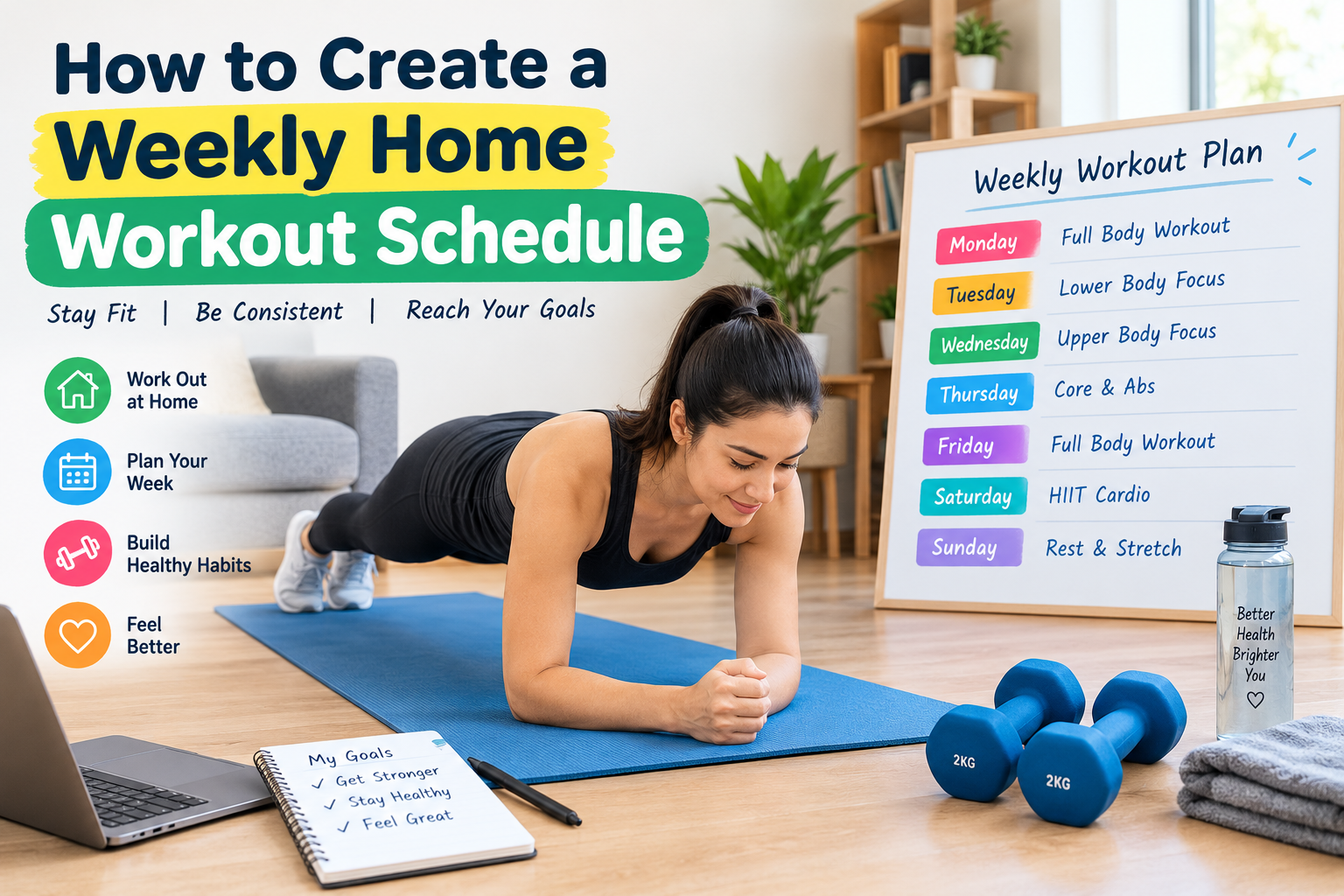
6. Create a Weekly Exercise Schedule
Consistency matters more than completing a demanding workout occasionally. A realistic weekly schedule can help you turn exercise into a regular habit.
During your first week, you might try short sessions on three nonconsecutive days. On the remaining days, take comfortable walks or perform gentle mobility exercises if you feel ready.
During the second week, you can repeat the same schedule or add a few minutes to each session if recovery has been comfortable.
Over time, gradually work toward the general adult physical activity recommendation of at least 150 minutes of moderate intensity aerobic activity each week, along with muscle strengthening activities on two or more days. This is a longer term target, not something you must achieve immediately.
If you are starting from a very low activity level, even short periods of movement can be a useful first step.
7. Listen to Your Body and Allow Recovery
When restarting exercise after a long break, it is important to understand the difference between normal effort and warning signs.
Mild muscle soreness can occur after unfamiliar activity. However, sharp pain, severe discomfort, unusual breathlessness, chest pain, or dizziness should never be ignored.
Stop exercising if you experience concerning symptoms. Seek urgent medical attention for chest pain, fainting, or severe difficulty breathing.
Rest is also part of a successful fitness routine. Your muscles need time to recover, particularly when you introduce new exercises.
I recommend increasing only one aspect of your workout at a time, such as duration, repetitions, or difficulty. This makes it easier to understand how your body responds.
If you have a chronic medical condition, significant joint problems, a recent injury, or concerns about returning to physical activity, consult a qualified healthcare professional before starting.
8. Stay Motivated Without Putting Pressure on Yourself
Motivation naturally changes from day to day. This is why I believe a simple routine is more useful than relying entirely on enthusiasm.
Choose a regular time for exercise that fits your lifestyle. Some people prefer moving in the morning, while others find it easier to exercise after work or household responsibilities.
You can also keep a basic fitness journal. Write down the date, exercises completed, and how you felt afterward. Over several weeks, these notes can help you notice improvements in stamina, confidence, and consistency.
Avoid comparing your current fitness level with what you could do before your break. Your circumstances and abilities may have changed, and progress does not happen at the same rate for everyone.
Celebrate small achievements, such as completing your first week or finding that a familiar exercise feels easier.
9. Support Your Exercise Routine With Healthy Habits
Exercise is only one part of a healthy lifestyle. Adequate sleep, balanced meals, hydration, and regular recovery can help support your efforts.
Drink water throughout the day and keep some available during your workout. Eat balanced meals that include vegetables, fruits, whole grains, protein sources, and other nutritious foods that suit your needs.
Avoid extreme diets or unrealistic fitness promises. You do not need to change every part of your lifestyle overnight.
Try to establish one or two helpful habits at a time. For example, you could start exercising three days a week while also creating a more consistent sleep schedule.
Small changes are often easier to maintain than a complete lifestyle overhaul.
10. Common Mistakes to Avoid When Returning to Exercise
Several mistakes can make restarting fitness more difficult than it needs to be.
Doing too much too soon: Long or intense workouts can leave you excessively tired and make it harder to continue. Start with manageable sessions.
Skipping the warm up: Gentle preparation helps you transition into exercise more comfortably.
Ignoring pain: Stop if an exercise causes sharp or unusual pain instead of trying to push through it.
Expecting immediate results: Fitness improvements develop over time. Focus on building the habit rather than judging yourself by short term changes.
Following an unsuitable workout plan: Exercises designed for experienced athletes may not be appropriate for someone returning after a long break. Choose movements that match your current ability.
Giving up after missing a session: Missing one workout does not erase your progress. Return to your normal routine when you are ready.
Frequently Asked Questions
How should I start exercising after a long break?
Begin with short sessions of gentle activity, such as walking, marching in place, and basic bodyweight exercises. Increase your activity gradually as your fitness improves.
Can I get fit by exercising at home?
Yes. Home workouts can improve strength, stamina, mobility, and general fitness when performed consistently and adjusted to your abilities. Walking and other aerobic activities can also contribute to your overall activity level.
How many days a week should a beginner exercise?
Starting with two or three short workout sessions per week is a reasonable approach for many generally healthy beginners. You can increase your activity gradually as your body adapts.
Is 10 minutes of exercise a day enough?
Ten minutes is a useful starting point, especially if you have been inactive. Short sessions help you develop consistency, and you can build toward longer activity periods over time.
Should I exercise when my muscles are sore?
For mild soreness, gentle movement may feel comfortable, but you should avoid training muscles intensely if they have not recovered. Rest when necessary, and seek medical advice for severe or persistent pain.
Conclusion
Learning how to start exercising at home after a long break does not have to be complicated. You can begin with a few minutes of gentle movement, practise simple bodyweight exercises, and gradually build a routine that suits your lifestyle.
In my view, the most important part of returning to fitness is being patient with yourself. You do not need to achieve everything in your first week. Focus on showing up, listening to your body, and making steady improvements.
Start small, celebrate your progress, and remember that every comfortable step toward a more active lifestyle matters. With consistency and realistic expectations, home exercise can become a sustainable part of your daily routine.
Disclaimer: This article provides general educational information and is not a substitute for personalised medical advice. Choose activities appropriate for your health and fitness level, and consult a qualified healthcare professional if you are unsure whether a particular exercise is suitable for you.