Introduction
Building daily fitness is one of the best ways to support a healthy lifestyle. In my opinion, staying fit does not always require a gym membership, expensive equipment, or hours of hard exercise. Beginners can start with simple movements at home and gradually develop a routine that fits their daily schedule.
Many people want to improve their fitness but do not know where to begin. Some feel uncomfortable exercising in public, while others have busy schedules that make it difficult to visit a gym. The good news is that beginner friendly exercises can be performed at home with little or no equipment.
I believe the key to building daily fitness is consistency. Starting with a short workout and repeating it regularly can be more practical than attempting an intense routine that is difficult to maintain. Simple activities such as walking, stretching, squats, and wall push ups can help beginners become more active and improve their physical abilities over time.
In this article, I will share some of the best beginner friendly exercises to build daily fitness, along with useful tips for creating a simple home workout routine.
Why Daily Exercise Is Important
Regular physical activity supports overall health and helps people maintain an active lifestyle. Exercise can improve cardiovascular fitness, strengthen muscles, support mobility, and help develop better balance and coordination.
Daily movement may also support better sleep and help manage everyday stress. Even small changes, such as taking a short walk or standing up regularly after long periods of sitting, can help reduce sedentary time.
From my point of view, beginners should focus on developing healthy habits instead of expecting immediate results. Fitness is a gradual process, and every person has a different starting point. The goal is to find activities that feel manageable and build on them over time.
1. Walking
Walking is one of the easiest beginner friendly exercises because it requires very little preparation. You can walk around your neighborhood, visit a nearby park, or walk indoors when the weather is unsuitable.
Start with 10 to 15 minutes of comfortable walking. Keep your posture natural, relax your shoulders, and move your arms gently. As your endurance improves, gradually increase the duration or pace.
Walking can help improve cardiovascular fitness and make everyday activities feel easier. It is also a practical choice for people who spend much of their day sitting.
I recommend choosing a regular time for walking so that it becomes part of your daily routine. You can begin with a short walk in the morning or take a relaxing walk in the evening.
2. Bodyweight Squats
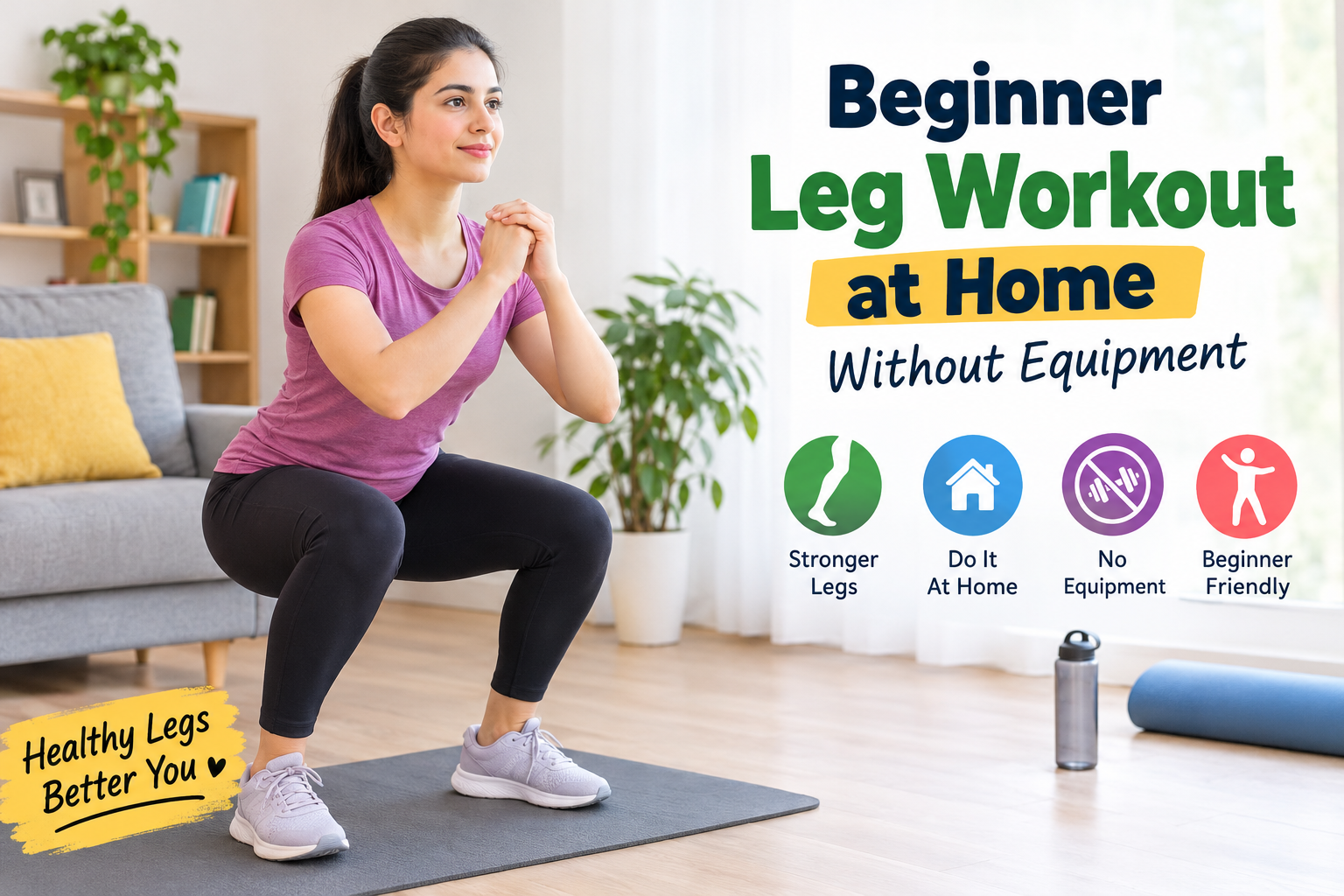
Bodyweight squats are useful exercises for strengthening the legs and gluteal muscles. They also help practice movements that are important for everyday activities, such as sitting down and standing up.
To perform a squat, stand with your feet approximately shoulder width apart. Keep your chest comfortably lifted and your back in a natural position. Move your hips backward and bend your knees as if you were sitting on a chair. Lower yourself only as far as comfortable, then return to standing.
Beginners can start with five to ten repetitions. If you need additional support, place a sturdy chair behind you.
The most important thing is to maintain control throughout the movement. Avoid rushing or trying to squat deeper than your current mobility allows.
3. Wall Push Ups
Wall push ups are a beginner friendly alternative to traditional push ups. They help strengthen the chest, shoulders, and arms while allowing you to control the difficulty.
Stand facing a wall and place your palms against it at shoulder height. Step backward slightly and keep your body aligned. Bend your elbows to bring your chest toward the wall, then push through your hands to return to the starting position.
Begin with eight to ten repetitions and rest when necessary.
As you become stronger, you can gradually move your feet farther away from the wall while maintaining proper technique. This exercise is particularly helpful for beginners who are not yet comfortable performing push ups on the floor.
4. Marching in Place
Marching in place is a simple way to increase daily movement without requiring much space. It can be included in a home workout, a warm up, or a short activity break.
Stand upright and lift one knee at a time while moving your arms naturally. Continue at a comfortable pace for 30 to 60 seconds.
This exercise can gently increase your heart rate and help improve coordination. If necessary, stand near a stable surface for support.
I find this type of exercise especially practical for people with busy schedules because it can be performed in a bedroom, living room, or other suitable space.
5. Gentle Stretching
Stretching is an important part of a balanced fitness routine. It can help maintain flexibility and make everyday movements more comfortable.
Beginners can start with gentle shoulder rolls, calf stretches, arm stretches, and comfortable movements for the hips and legs. Move slowly and avoid bouncing. Hold each stretch for approximately 10 to 30 seconds without forcing your body into an uncomfortable position.
Stretching should create mild tension rather than sharp pain. You can perform a few gentle stretches after walking or at the end of your workout.
In my opinion, flexibility exercises deserve attention because fitness is not only about strength. Being able to move comfortably is also an important part of an active lifestyle.
6. Glute Bridges
Glute bridges are simple floor exercises that help strengthen the gluteal muscles and muscles around the hips.
Lie on your back with your knees bent and your feet flat on the floor. Keep your arms beside your body. Gently tighten your abdominal muscles and lift your hips until your body forms a comfortable line from your shoulders toward your knees. Pause briefly, then lower your hips slowly.
Start with eight to twelve repetitions.
Avoid arching your lower back excessively or lifting your hips higher than you can control. If the position causes discomfort, stop and choose an alternative exercise that suits your needs.
7. Standing Calf Raises
Standing calf raises are easy exercises that target the muscles at the back of the lower legs. These muscles help with walking, climbing stairs, and maintaining balance.
Stand near a wall or sturdy chair for support. Slowly raise your heels until you are standing on the balls of your feet. Pause briefly, then lower your heels in a controlled manner.
Try ten repetitions to begin with.
Keep your movements steady and avoid bouncing. If you have balance difficulties, use appropriate support and consider asking a qualified professional for guidance.
8. Sit to Stand Exercise
The sit to stand exercise uses a movement that people perform throughout the day. It can help strengthen the legs and improve confidence when getting up from a chair.
Choose a sturdy chair placed on a nonslip surface. Sit with your feet flat on the floor. Lean forward slightly from your hips and push through your feet to stand up. Slowly lower yourself back into the chair.
Begin with five to eight repetitions. You can use your hands for assistance if needed.
Make sure the chair is stable before starting. Avoid using a chair with wheels, and stop if you experience pain, dizziness, or unusual discomfort.
9. Step Touches
Step touches are simple low impact exercises for beginners who want to increase daily activity without jumping.
Stand with your feet comfortably apart. Step to the right and bring your left foot toward your right foot. Then step to the left and bring your right foot toward your left foot.
Continue for 30 to 60 seconds at a comfortable pace.
You can move your arms naturally to make the activity more enjoyable. Step touches are a practical option for people who want to move more at home without performing complicated exercises.
10. Beginner Friendly Plank
A plank helps strengthen the muscles that support the trunk. However, beginners should choose a version that matches their current ability.
Start with a wall plank. Place your forearms against a wall and step backward slightly. Keep your body aligned and gently tighten your abdominal muscles. Hold the position for 10 to 20 seconds while breathing normally.
As your strength improves, you may progress to a plank using a stable elevated surface.
Avoid allowing your lower back to sag or holding your breath. Proper form is more important than maintaining the position for a long time.
How to Create a Simple Daily Fitness Routine
A regular routine can make exercise easier to maintain. Beginners should start with manageable sessions and increase their activity gradually.
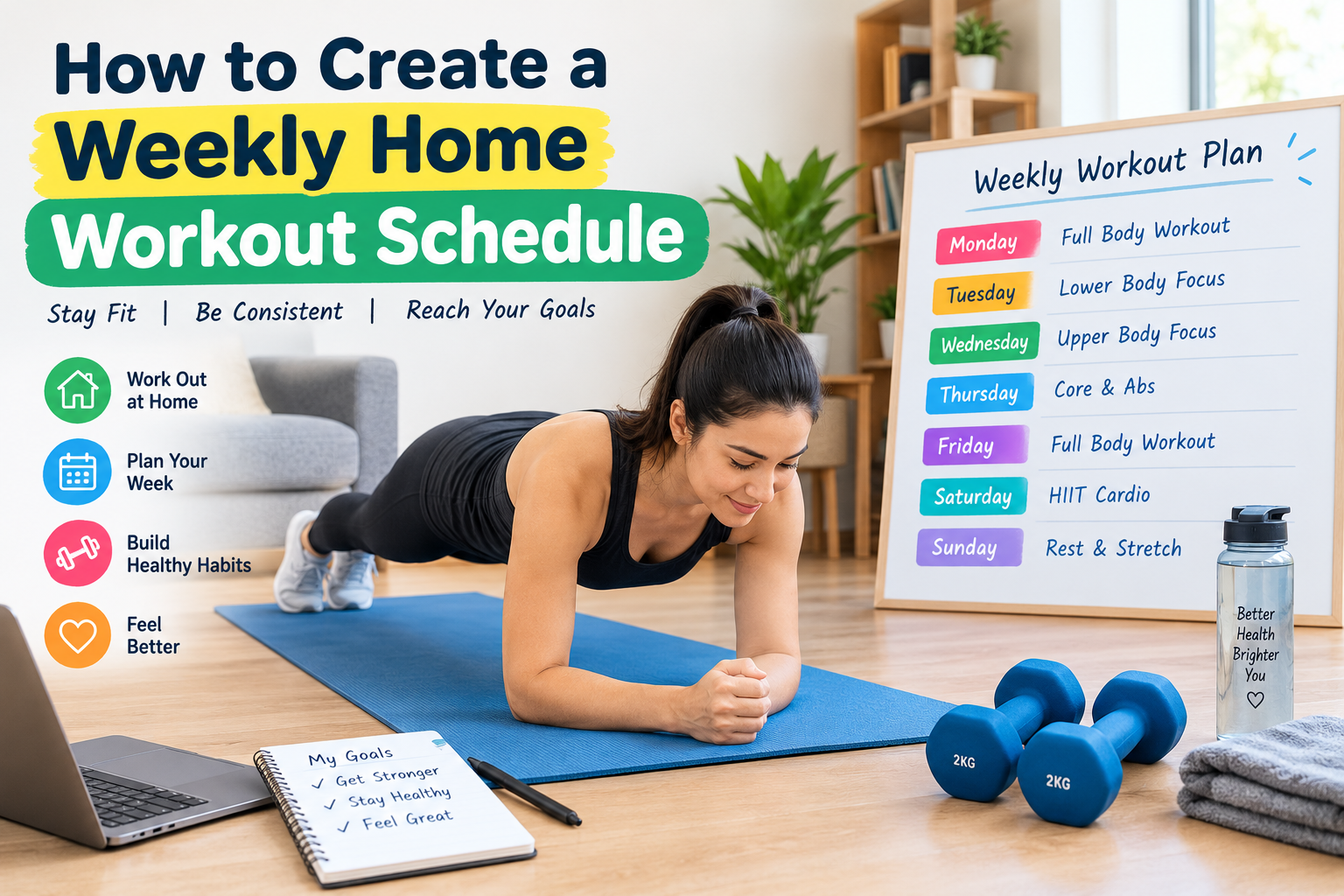
Here is a simple weekly fitness plan.
Monday: Walk for 10 minutes, then perform bodyweight squats and wall push ups.
Tuesday: Take a comfortable walk and complete a few gentle stretches.
Wednesday: Practice marching in place, glute bridges, and calf raises.
Thursday: Go for a relaxed walk and include light mobility exercises.
Friday: Perform sit to stand exercises, wall push ups, and a short walk.
Saturday: Enjoy a walk or another physical activity that you like.
Sunday: Rest or choose gentle movement according to how you feel.
You can begin with 10 to 15 minutes per session. Gradually increase your activity as your fitness improves. This plan is a starting point, so adjust it to your schedule, ability, and recovery needs.
Tips for Building a Consistent Exercise Habit
Start Small
Do not feel that you must complete a long workout on your first day. Begin with a few simple exercises and gradually increase the amount of activity.
Choose Activities You Enjoy
Choose exercises that fit your lifestyle. If you enjoy walking outdoors, make it part of your routine. If you prefer exercising at home, create a comfortable space where you can move safely.
Focus on Proper Technique
Learn each movement slowly before increasing the number of repetitions. Controlled movements help you exercise more comfortably and reduce the risk of avoidable injuries.
Set Realistic Goals
Set simple goals, such as walking for ten minutes or completing a short workout three times a week. Achievable goals can help you build confidence.
Allow Time for Recovery
Your body needs time to recover from exercise. Alternate strength workouts with lighter activities and rest when necessary. Avoid pushing through pain.
Track Your Progress
Write down your workout duration and the exercises you complete. Over time, you may notice that walking becomes easier or that you can perform more repetitions with good technique.
Common Mistakes Beginners Should Avoid
One common mistake is trying to do too much too quickly. An intense workout may leave you excessively sore and make it difficult to maintain your routine. Start gently and increase your activity over time.
Another mistake is comparing your progress with other people. Everyone has a different fitness level, schedule, and set of needs. Focus on your own improvements instead.
Beginners should also avoid skipping warm ups, ignoring pain, and assuming that every workout must feel exhausting. Moderate activity and simple exercises can be valuable parts of a healthy lifestyle.
Remember that fitness also depends on other habits. Balanced meals, adequate sleep, hydration, and regular movement can support your overall well being.
Safety Tips for Beginner Exercises
Before starting a new exercise routine, consider your current fitness level and any limitations that may affect movement. If you have a chronic health condition, an injury, balance difficulties, or concerns about exercise safety, consult a qualified healthcare professional for personalized advice.
Start each workout with a few minutes of easy movement. Wear comfortable clothing and suitable footwear when appropriate. Choose a clear space where you can exercise without tripping over furniture or other objects.
Stop exercising if you experience chest pain, faintness, severe shortness of breath, or other unusual symptoms. Seek urgent medical attention for serious warning signs.
The purpose of exercise is to support your health and develop a sustainable habit, not to force your body beyond its limits.
Conclusion
Beginner friendly exercises to build daily fitness can be simple, affordable, and easy to include in everyday life. Walking, bodyweight squats, wall push ups, marching in place, stretching, glute bridges, and sit to stand exercises offer useful starting points for people who want to become more active.
In my opinion, the most important step is to begin with movements that match your current ability and gradually build a routine. You do not need expensive equipment or a perfect schedule to start improving your fitness. You need realistic goals, patience, and consistency.
Start with a short workout, listen to your body, and make small improvements over time. With regular physical activity and appropriate recovery, you can develop healthy habits that support your long term fitness goals.
Disclaimer: This article is for general educational purposes only and is not a substitute for individualized medical advice.