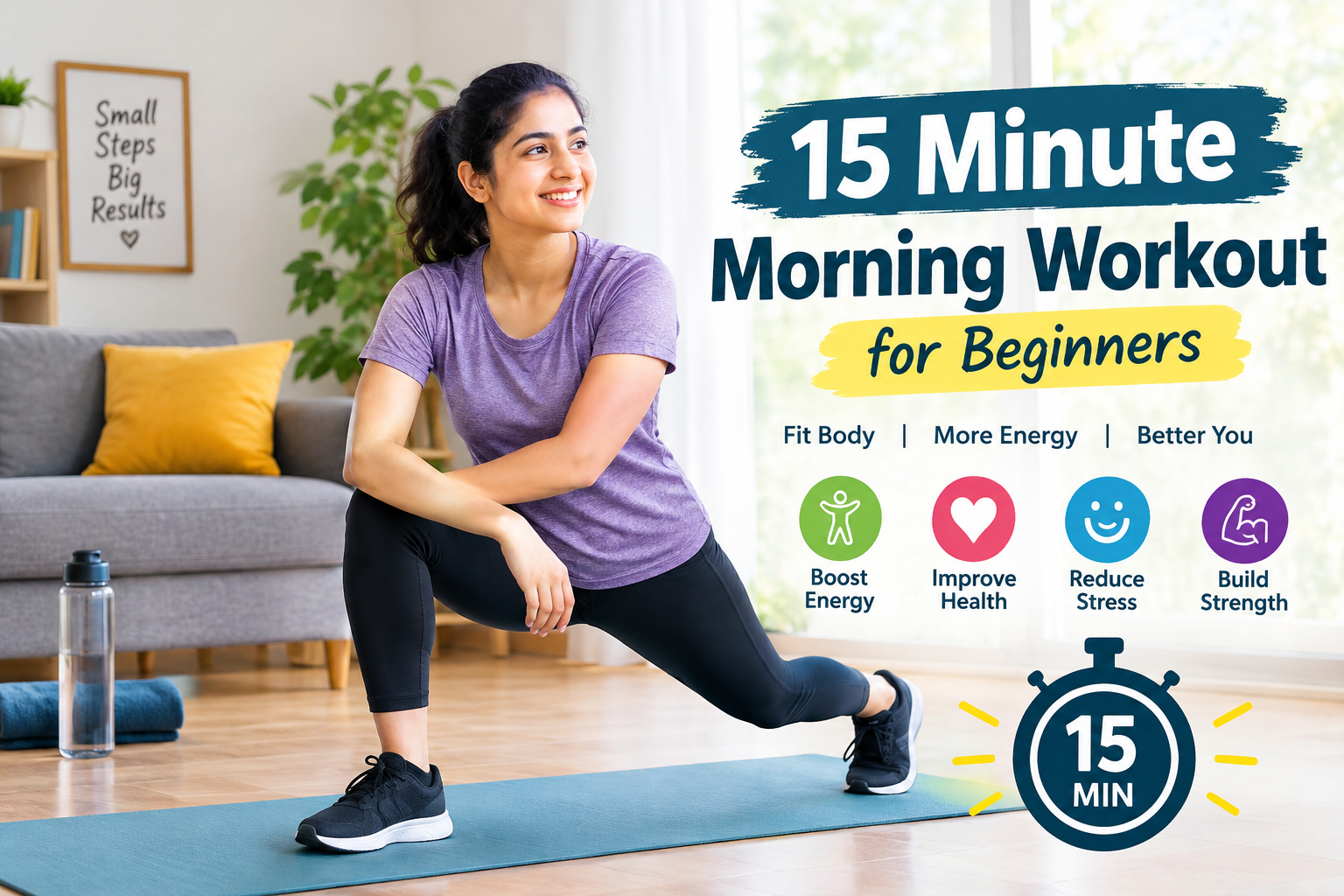
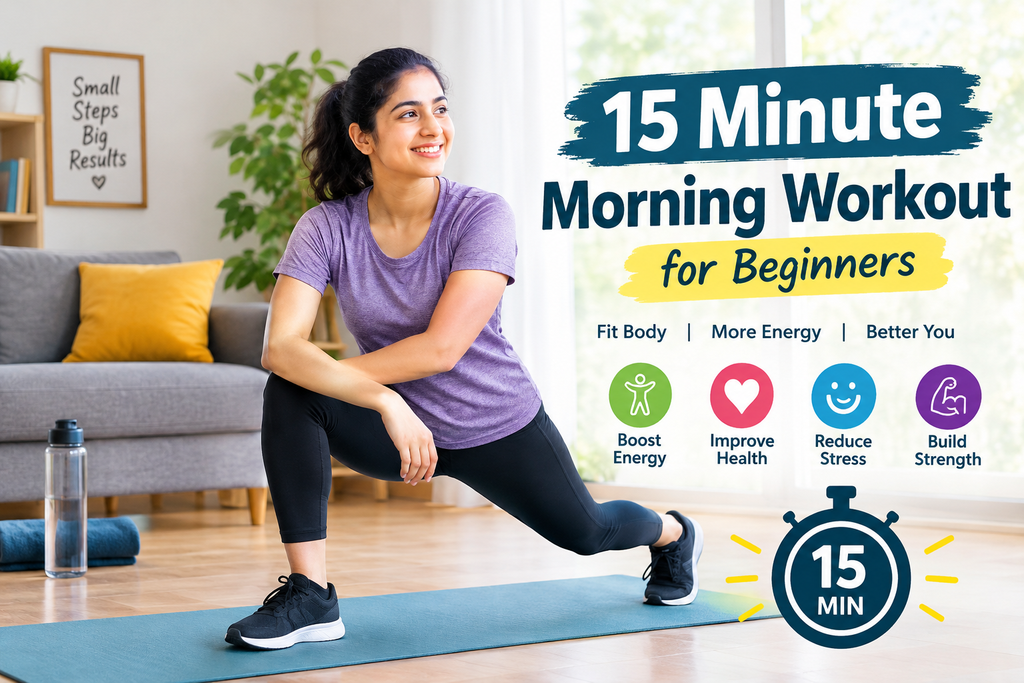
Starting a fitness routine does not have to be difficult or time consuming. In my opinion, one of the easiest ways to build a healthy lifestyle is to begin the day with a simple morning workout. You do not need an expensive gym membership, special equipment, or hours of free time. Even 15 minutes of exercise in the morning can help you develop a consistent fitness habit.
A 15 minute morning workout for beginners is a practical choice for people who want to improve their fitness, increase daily energy, and stay active despite a busy schedule. Whether you work from home, study, manage household responsibilities, or spend most of your day sitting, a short exercise routine can help you make physical activity part of your daily life.
In this article, I will explain a simple beginner friendly morning workout, how to perform each exercise, and how to make the routine easier to follow consistently.
Why Choose a 15 Minute Morning Workout?
I believe that consistency is more important than starting with an intense workout. Many beginners make the mistake of doing too much exercise on the first day. They may feel tired, experience muscle soreness, and eventually lose motivation.
A short morning workout gives you a more manageable starting point. You can exercise at home, adjust the movements to your fitness level, and gradually increase the challenge as your strength improves.
1. Helps Increase Daily Energy
Gentle movement in the morning can help you feel more awake and ready to begin your day. Activities such as marching in place, arm circles, and bodyweight squats get your muscles moving and gradually increase your heart rate.
Although exercise affects everyone differently, a short workout can be a useful way to transition from resting to daily activities.
2. Supports Weight Management
Physical activity helps your body use energy and can support healthy weight management when combined with balanced eating and adequate sleep.
However, a 15 minute workout is not a quick fix for weight loss. Your results depend on several factors, including your overall activity level, eating habits, sleep, and consistency.
3. Supports Heart Health
Regular physical activity can contribute to cardiovascular health. Beginners can start with moderate movements, such as brisk marching, step touches, and low impact knee lifts, before progressing to more demanding exercises.
The goal is to build a sustainable habit rather than push yourself beyond your current ability.
4. May Improve Mood and Reduce Stress
Morning exercise can provide a positive start to the day. Taking a few minutes to move, breathe, and focus on your body may help you feel less tense and more prepared for everyday responsibilities.
5. Helps Build a Consistent Fitness Habit
One of the biggest advantages of a short workout is that it feels achievable. When you know your routine takes only 15 minutes, you may find it easier to fit exercise into your schedule.
Over time, small daily efforts can help you build confidence and develop a more active lifestyle.
What You Need Before Starting
One reason I recommend home workouts for beginners is that they require very little preparation.
Before beginning your 15 minute morning workout, prepare the following:
- Comfortable clothing that allows you to move freely
- Supportive footwear, especially on hard floors
- A non slippery exercise mat or clear floor space
- A bottle of drinking water
- A timer or clock to track each exercise
Choose a space where you can stretch your arms and legs without hitting furniture. You can also exercise without shoes if your floor is safe and your movements do not require footwear.
If you have a chronic health condition, balance difficulties, an injury, or have been advised to limit physical activity, seek appropriate medical guidance before starting a new exercise routine.
The Complete 15 Minute Morning Workout for Beginners
This beginner morning workout includes a warm up, simple full body exercises, and a cool down. You can perform the routine at home without weights or gym equipment.
1. Marching in Place
Duration: 1 minute
Marching in place is a simple way to warm up your body. Stand upright, lift one knee at a time, and swing your arms naturally. Start slowly and gradually increase your pace if you feel comfortable.
Keep your movements controlled and breathe normally.
2. Arm Circles and Shoulder Rolls
Duration: 1 minute
Extend your arms to the sides and make small circles. Gradually increase the circles if your shoulders feel comfortable. Then relax your arms and gently roll your shoulders backward and forward.
This movement prepares your shoulders and upper body for exercise.
3. Gentle Side Steps
Duration: 1 minute
Step to the right, bring your other foot closer, and repeat on the left. Move your arms naturally and maintain a comfortable pace.
This low impact exercise helps you transition into the main workout without jumping.
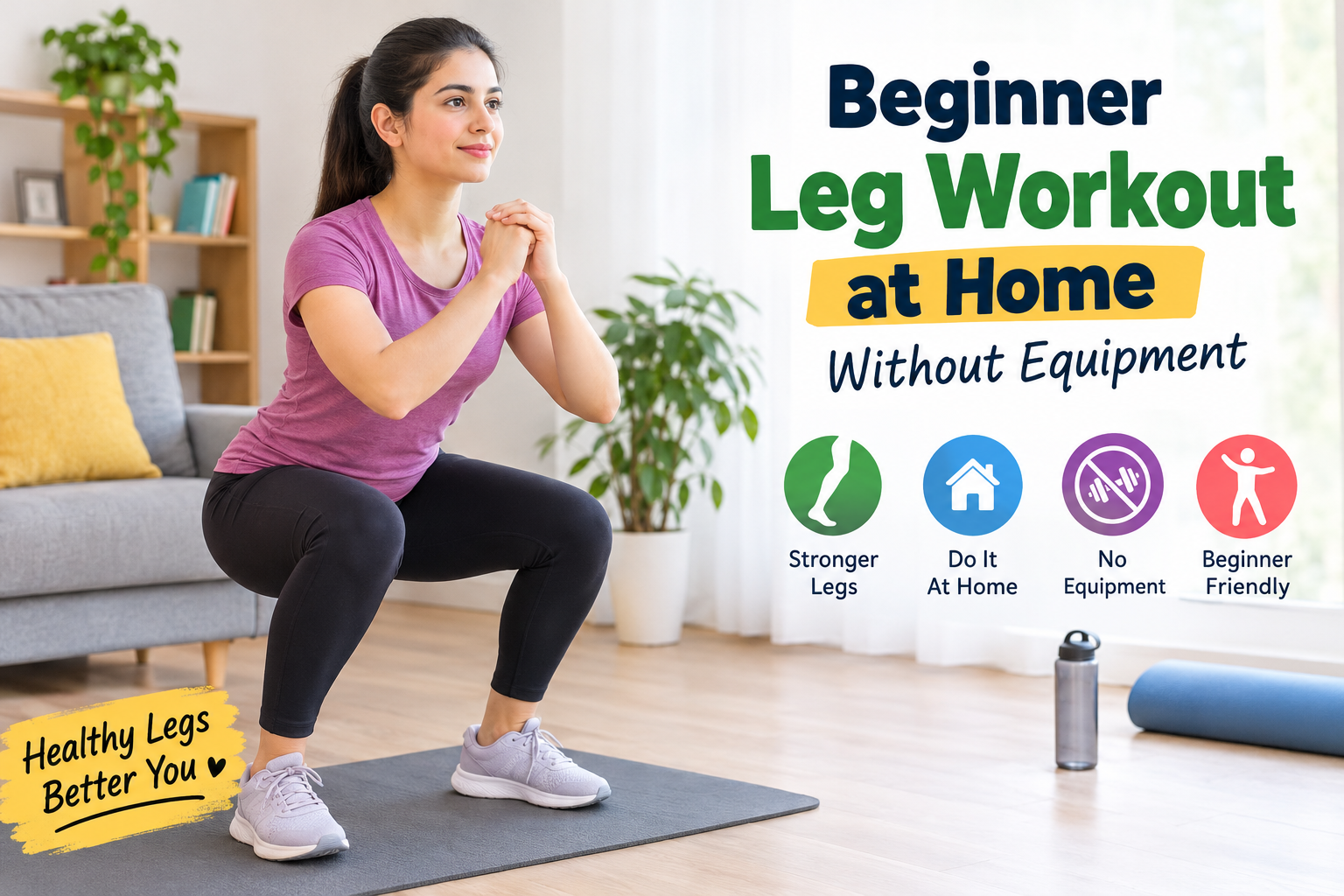
4. Bodyweight Squats
Duration: 2 minutes
Stand with your feet approximately shoulder width apart. Push your hips backward and bend your knees as if sitting on a chair. Keep your chest comfortable and your feet flat on the floor.
Return to standing slowly. Perform controlled repetitions and rest whenever needed. You can use a sturdy chair for support.
Bodyweight squats work the muscles in your legs and hips. They are a useful exercise for beginners who want to improve lower body strength without using weights.
5. Wall Push Ups
Duration: 2 minutes
Place your hands against a wall at approximately shoulder height. Step back slightly, bend your elbows, and bring your chest toward the wall. Push gently until your arms straighten.
Keep your body aligned and avoid locking your elbows. Wall push ups are a useful starting point for building upper body strength.
6. Standing Knee Raises
Duration: 2 minutes
Stand tall and raise one knee toward your waist as comfortably as possible. Lower it slowly and switch sides. Keep your abdominal muscles gently engaged and use a wall or chair for balance if needed.
Move at a pace that allows you to maintain good control.
7. Standing Calf Raises
Duration: 1 minute
Stand with your feet hip width apart. Slowly lift your heels to rise onto your toes, pause briefly, and lower your heels to the floor.
Hold a sturdy chair for balance if necessary. This exercise works the calf muscles and adds a simple lower body strengthening movement to your routine.
8. Gentle Cool Down and Stretching
Duration: 3 minutes
Slow your movements and breathe calmly. Stretch your calves, thighs, shoulders, and arms gently. Hold each comfortable stretch for around 15 to 20 seconds without bouncing.
Do not force a stretch or continue through pain. Finish by standing comfortably and allowing your breathing to return toward normal.
To keep the complete workout within 15 minutes, spend three minutes warming up, six minutes performing the main exercises, three minutes doing additional gentle movements or taking short recovery breaks, and three minutes cooling down. Adjust the timing to suit your fitness level.
Tips to Get Better Results From Your Morning Workout
In my view, the best beginner workout is one that you can repeat without feeling overwhelmed. These practical habits can help you stay consistent.
Start Slowly and Increase Gradually
During your first week, focus on learning the correct movements. You do not need to perform every exercise at maximum intensity. As your fitness improves, increase your repetitions or pace gradually.
Stay Hydrated
Drink water before or after your workout according to your needs. If you exercise soon after waking up, keep water nearby and pay attention to how you feel.
Eat a Balanced Breakfast
After exercising, choose a balanced breakfast containing protein, carbohydrates, and other nutritious foods. Eggs with whole grain toast, oatmeal with yogurt, or fruit with nuts are examples of options that can support an overall healthy eating pattern.
You do not need to eat immediately after every short workout. Choose a breakfast schedule that suits your appetite and daily routine.
Make Exercise Part of Your Schedule
Try exercising at the same time each morning. You could place your workout clothes near your bed or prepare your exercise area the night before. Small preparations can make it easier to get started.
Listen to Your Body
Some muscle tiredness can be normal when beginning exercise, but sharp pain, chest pain, dizziness, or unusual shortness of breath are reasons to stop. Seek urgent medical attention for serious or persistent warning symptoms.
How Often Should Beginners Do a Morning Workout?
You can begin with three to five mornings per week, depending on your current fitness and recovery needs. If you feel comfortable, you can gradually work toward regular physical activity throughout the week.
For general health, adults are advised to aim for at least 150 minutes of moderate intensity aerobic activity per week, along with muscle strengthening activities on two or more days. A 15 minute morning workout is a useful starting point, but this short routine alone may not meet all those recommendations.
Walking, cycling, swimming, and other enjoyable activities can help you increase your weekly activity level. Rest and recovery are also important, particularly when you are new to exercise.
Common Mistakes to Avoid
Beginners can make faster progress by avoiding a few common mistakes.
- Skipping the warm up and starting with difficult movements.
- Using poor technique to complete more repetitions.
- Comparing personal progress with experienced athletes.
- Expecting immediate weight loss or dramatic physical changes.
- Exercising through pain instead of modifying the movement.
- Giving up after missing one workout.
Remember that missing a morning does not mean you have failed. Simply return to your routine when you can.
Frequently Asked Questions
Is a 15 minute morning workout enough for beginners?
Yes, 15 minutes can be a useful starting point for building a fitness habit and practicing basic exercises. Your overall health benefits will depend on your intensity, consistency, and other daily activities.
Can I lose weight with a 15 minute morning workout?
A short workout can contribute to weight management, but weight loss depends on your overall energy balance, eating habits, physical activity, and other individual factors. There is no guarantee of a particular result from exercising for 15 minutes.
Should I exercise before or after breakfast?
Either option may work. Some people prefer exercising before breakfast, while others feel better after a small meal. Choose what feels comfortable and supports your energy levels.
Can I do this workout without equipment?
Yes. Marching, side steps, bodyweight squats, standing knee raises, and wall push ups can all be performed without gym equipment. A stable chair or wall can provide support when needed.
What should I do if I cannot complete all the exercises?
Reduce the pace, shorten the exercise intervals, or take additional breaks. You can also perform gentle walking and supported movements until your fitness improves.
Conclusion
A 15 minute morning workout for beginners is a simple way to introduce more movement into your daily routine. With exercises such as marching in place, bodyweight squats, wall push ups, knee raises, and gentle stretching, you can start improving your fitness at home without expensive equipment.
My recommendation is to focus on consistency, proper technique, and gradual progress rather than trying to achieve everything in a single session. Combine regular exercise with balanced meals, sufficient sleep, hydration, and other healthy habits.
Start with the 15 minutes you have available, make adjustments when necessary, and give yourself time to improve. A realistic routine that you can maintain is far more useful than an intense plan that you quickly abandon.