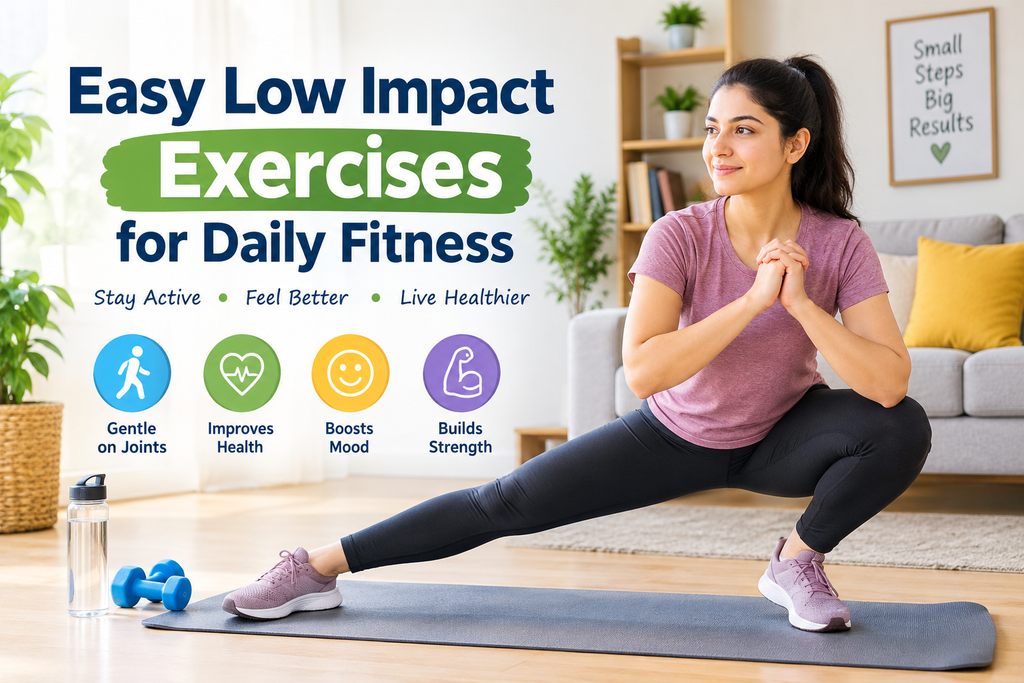
Staying fit does not always require intense workouts, heavy weights, or spending hours in a gym. In my opinion, the best fitness routine is one that fits naturally into daily life and is easy enough to follow consistently. This is where easy low impact exercises for daily fitness can make a real difference. These exercises help you stay active, improve mobility, build strength, and support general health without requiring repeated jumping or running.
Low impact workouts are especially useful for beginners, people returning to exercise after a long break, and anyone who prefers a gentler approach to physical activity. You can perform many of these exercises at home with little or no equipment.
In this guide, I will explain some practical low impact exercises, how to include them in your daily routine, and how to make fitness a sustainable habit.
What Are Low Impact Exercises?
Low impact exercises are physical activities that place relatively less stress on your joints because they avoid or reduce movements where both feet leave the ground at the same time. Walking, gentle stretching, controlled squats, and stationary cycling are common examples.
However, low impact does not mean that an exercise is effortless. You can still improve your stamina, strengthen your muscles, and increase your heart rate with the right movements.
I believe that starting with manageable exercises is a sensible way to build a fitness habit. Instead of pushing yourself too hard on the first day, you can begin with a few minutes of movement and gradually increase the duration as your fitness improves.
Benefits of Easy Low Impact Exercises for Daily Fitness
Adding gentle physical activity to your everyday routine can offer several benefits.
Improves cardiovascular fitness: Activities such as walking and marching in place help your heart and lungs work more efficiently over time.
Supports joint mobility: Gentle movements can help maintain your normal range of motion and reduce stiffness associated with inactivity.
Builds muscle strength: Exercises such as wall push ups and chair squats activate muscles that help with everyday activities.
Supports mental well being: Regular movement can help manage stress and improve mood. Many people also find that exercise helps them feel more energetic.
Makes consistency easier: Low impact exercises can be adapted to different fitness levels, making it easier to develop a routine that feels manageable.
These benefits depend on your current health, activity level, and consistency. No single exercise guarantees better health, but regular movement is a valuable part of an active lifestyle.
1. Walking for Daily Fitness

Walking is one of the easiest low impact exercises for daily fitness because it requires no special equipment apart from comfortable shoes. You can walk around your neighborhood, in a nearby park, or even inside your home if outdoor conditions are not suitable.
When I think about building a healthy routine, walking is one of the first activities I would consider. It is simple, flexible, and easy to adjust according to your energy level.
Start with a comfortable five to ten minute walk if you are a beginner. As your stamina improves, gradually increase your walking time or pace. Try to maintain a natural posture, relax your shoulders, and swing your arms gently.
Beginner tip: Take a short walk after breakfast or dinner to make physical activity part of your daily schedule.
2. Marching in Place

Marching in place is a convenient indoor exercise, especially when you cannot go outside. It raises your activity level without requiring much space.
Stand upright with your feet about hip width apart. Lift one knee gently, lower it, and repeat with the other leg. Move your arms naturally to make the exercise more engaging.
Start with one or two minutes and rest when needed. You can gradually work toward five minutes as your endurance improves.
I like this exercise as a practical option for people who spend long hours sitting. A few minutes of movement can break up long periods of inactivity.
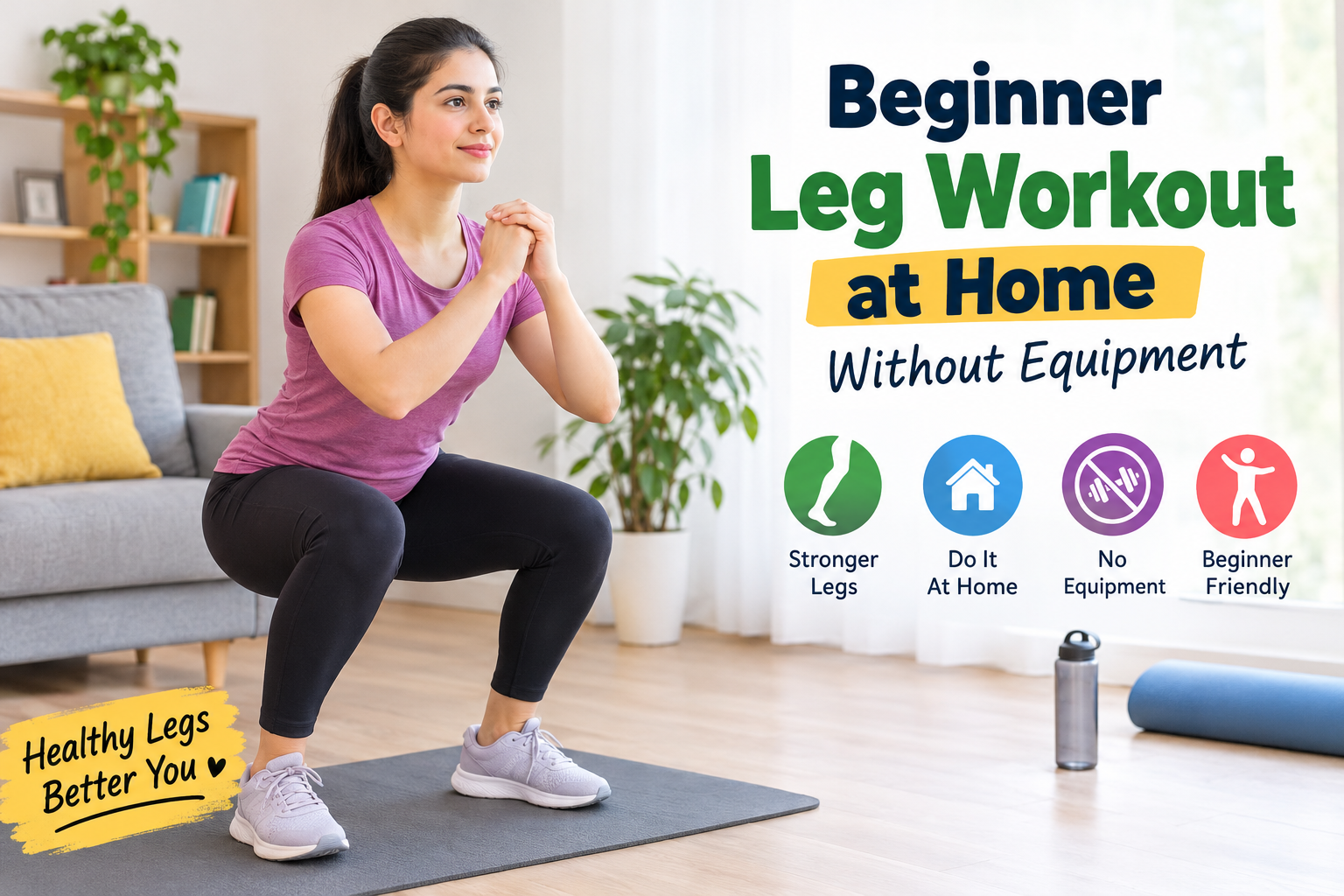
3. Chair Squats

Chair squats help strengthen the muscles in your legs and hips. These muscles are important for standing up, sitting down, and climbing stairs.
Place a sturdy chair behind you. Stand with your feet about shoulder width apart and keep your chest comfortably upright. Slowly bend your knees and hips to lower yourself toward the chair. Touch the seat gently, then stand up again.
Begin with five to eight repetitions. Use your hands on the chair arms or another stable support if necessary.
Do not rush the movement or force your knees into a painful position. If squats cause discomfort, stop and consider a suitable alternative with professional guidance.
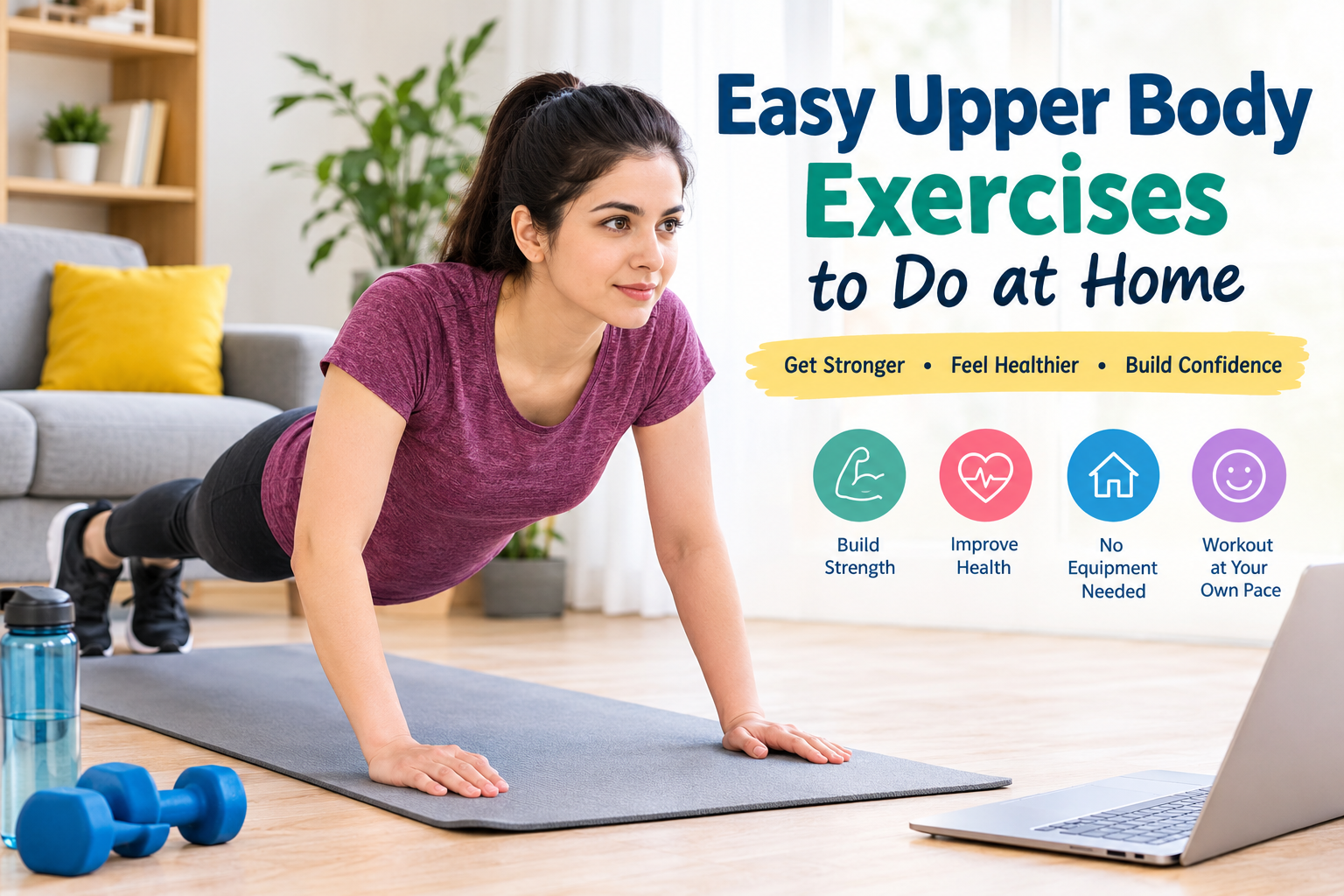
4. Wall Push Ups

Wall push ups are a beginner friendly way to strengthen the chest, shoulders, and arms without getting down on the floor.
Stand facing a wall and place your palms against it at shoulder height. Keep your body in a straight line, bend your elbows, and bring your chest toward the wall. Push gently back to the starting position.
Try five to ten controlled repetitions. Keep your movements smooth and avoid arching your lower back.
As your strength improves, you can adjust your distance from the wall to change the difficulty. The main goal is to maintain good form rather than complete as many repetitions as possible.
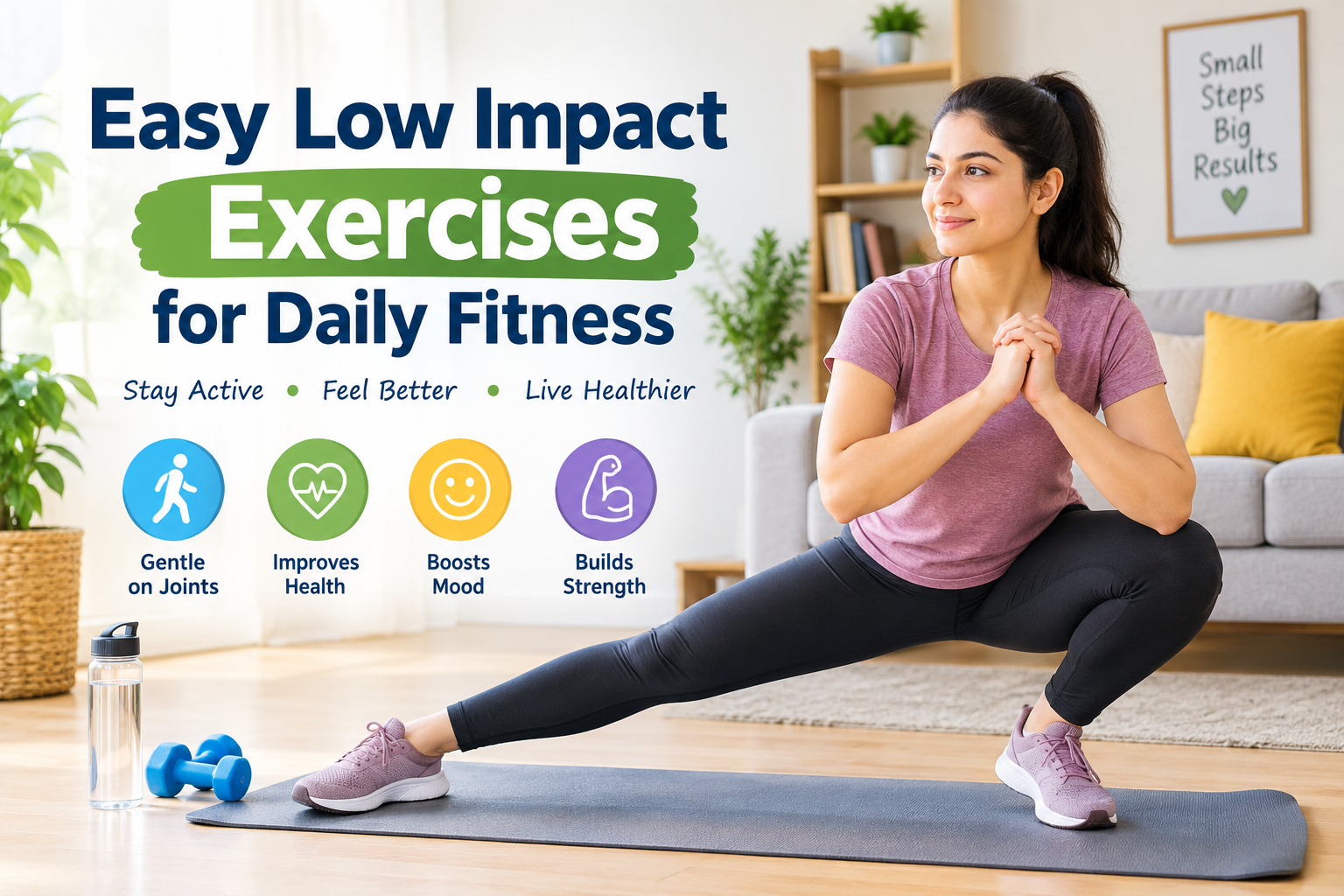
5. Gentle Standing Side Leg Raises

Standing side leg raises target muscles around the hips and can help develop strength for everyday movement.
Stand beside a sturdy chair or counter and hold it lightly for balance. Keep your back straight and slowly move one leg out to the side without leaning your body. Bring it back under control and repeat on the other side.
Start with eight repetitions per leg. You do not need to lift your leg very high. A small, controlled movement is enough to begin.
This exercise is particularly convenient for people who prefer standing workouts, although anyone with balance difficulties should take extra care and use appropriate support.
6. Seated Knee Extensions

Seated knee extensions are useful when you want to exercise while sitting. They target the muscles at the front of your thighs and require very little space.
Sit upright in a stable chair with your feet flat on the floor. Slowly straighten one knee until your leg is comfortably extended. Pause briefly, lower your foot, and repeat with the opposite leg.
Try eight to ten repetitions on each side, moving at a comfortable pace.
This exercise may suit beginners who are not ready for standing movements. If you have a knee condition or experience pain while extending your leg, seek advice from a qualified healthcare professional before continuing.
7. Gentle Stretching

Stretching can help maintain flexibility and make everyday movements feel more comfortable. It is also a useful way to begin or finish a low impact workout.
You can start with shoulder rolls, gentle neck movements, seated side stretches, and calf stretches. Move slowly and breathe normally throughout each stretch.
Hold a comfortable stretch for around 10 to 20 seconds without bouncing. You should feel mild tension rather than pain.
I recommend keeping stretching simple, especially if you are new to exercise. You do not need to perform complicated yoga poses to include flexibility work in your daily fitness routine.
8. Standing Calf Raises

Calf raises strengthen the muscles in the lower legs and can support everyday activities such as walking and climbing stairs.
Stand behind a sturdy chair and hold it for balance. Slowly raise your heels so you are standing on the balls of your feet. Pause briefly, then lower your heels with control.
Start with eight to twelve repetitions. Keep your movements steady and avoid bouncing.
If you have balance problems, use a secure support and consider exercising with another person nearby. Stop if you experience pain, dizziness, or unusual discomfort.
9. Low Impact Step Touches

Step touches are an easy way to add variety to your daily fitness routine. They involve stepping to one side and bringing the other foot toward it, then repeating in the opposite direction.
Stand upright with your knees relaxed. Step right, bring your left foot toward your right foot, and then reverse the movement. Allow your arms to swing naturally.
Continue for one to three minutes, depending on your comfort level. You can listen to music to make the activity more enjoyable.
Keep each step small and controlled. Avoid jumping or moving too quickly if you are trying to maintain a low impact workout.
10. Beginner Friendly Stationary Cycling

If you have access to a stationary bicycle, cycling can be an excellent low impact activity. It allows you to move your legs continuously while controlling your pace and resistance.
Begin with five to ten minutes at an easy pace. Adjust the seat so your legs are comfortably positioned, and keep the resistance low until you become familiar with the movement.
You can gradually increase your cycling time as your endurance improves. If cycling causes pain or numbness, stop and check your bike setup or seek professional advice.
Stationary cycling is optional, not essential. Walking and simple bodyweight movements can also provide a useful starting point without purchasing equipment.
How to Create a Simple Daily Low Impact Workout
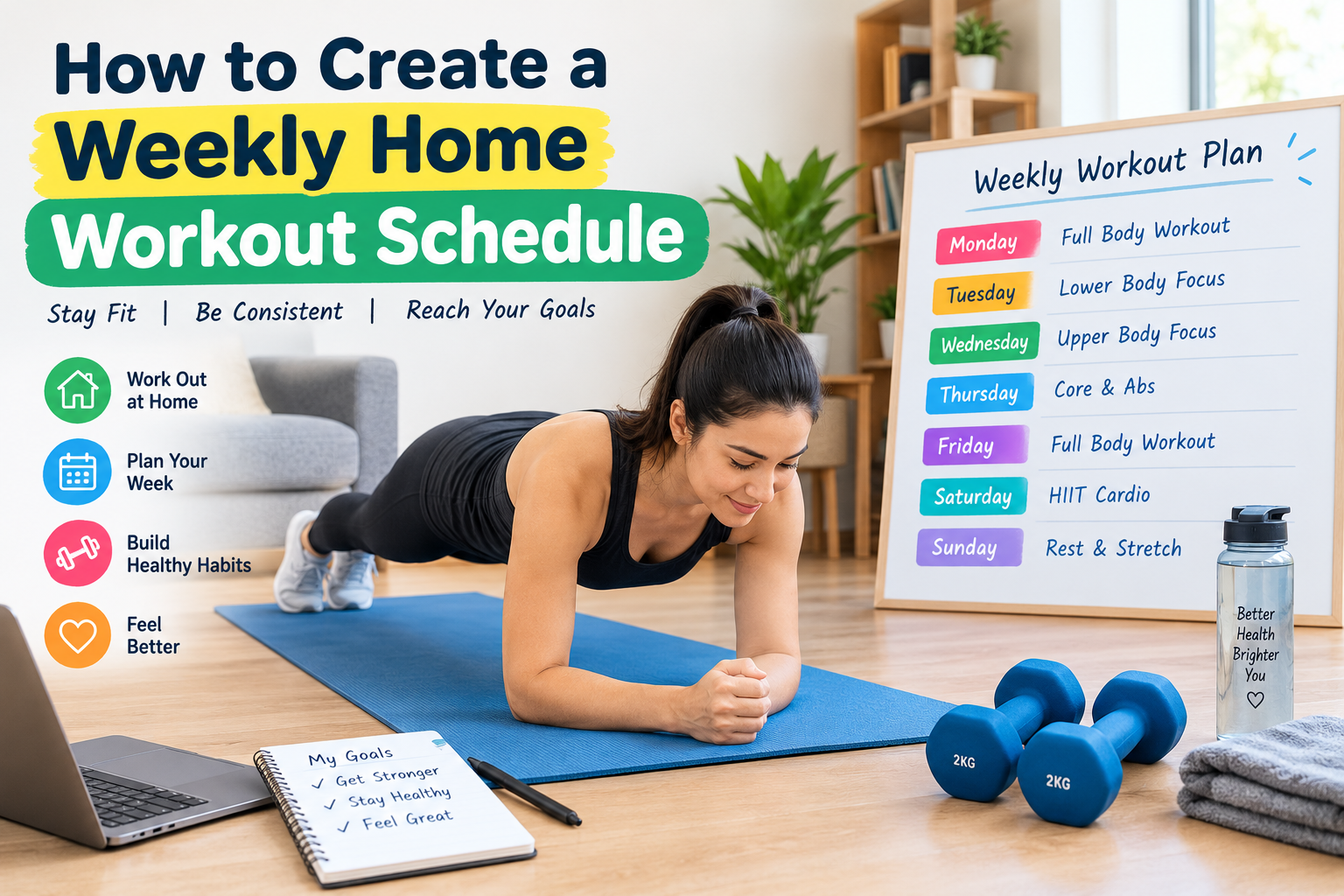
You do not need to perform every exercise in one session. A short routine that covers different movements is often easier to maintain.
Here is a sample routine for a generally healthy beginner.
| Exercise | Suggested time or repetitions |
|---|---|
| Gentle marching in place | 2 minutes |
| Walking around your home | 3 minutes |
| Chair squats | 5 to 8 repetitions |
| Wall push ups | 5 to 10 repetitions |
| Standing calf raises | 8 to 12 repetitions |
| Gentle stretching | 2 to 3 minutes |
Start with a comfortable pace and take breaks whenever necessary. This routine is a starting example rather than a requirement. You can shorten it, use a chair for support, or choose only a few exercises according to your current ability.
As you become more comfortable, increase your activity gradually. Public health guidance generally encourages adults to work toward at least 150 minutes of moderate intensity aerobic activity per week, alongside muscle strengthening activities on two or more days. You do not need to reach that target immediately, and some activity is better than none.
Tips for Staying Consistent With Daily Fitness
In my view, consistency matters more than trying to complete a difficult workout once and then giving up. A few simple habits can make regular exercise easier.
Choose a convenient time. Exercise in the morning, during a lunch break, or in the evening. Pick a time that works with your normal schedule.
Start small. Even five minutes of gentle movement can be a reasonable starting point if you have been inactive. Increase your activity gradually.
Wear comfortable clothing. Choose clothes that allow you to move freely and footwear that suits the activity.
Stay hydrated. Drink water throughout the day, particularly when exercising in warm weather.
Track your progress. Write down your walking time, repetitions, or workout days. Small improvements can help you stay motivated.
Listen to your body. Normal effort is different from sharp pain or unusual discomfort. Stop exercising if you feel unwell, dizzy, or experience chest pain or unusual shortness of breath. Seek urgent medical attention for potentially serious symptoms.
If you have a chronic health condition, a recent injury, or significant joint pain, consult a healthcare professional about which exercises are appropriate for you.
Common Mistakes to Avoid
When starting easy low impact exercises for daily fitness, beginners sometimes make a few avoidable mistakes.
One common mistake is doing too much too soon. Starting with a long workout can leave you exhausted and make it harder to maintain your routine. Begin with manageable sessions instead.
Another mistake is ignoring proper technique. Controlled movements are generally more useful than rushing through repetitions with poor form.
Some people also believe that exercise only counts when they sweat heavily. This is not true. Gentle activity can still contribute to your overall movement and fitness goals.
Finally, avoid comparing your progress with someone else’s. Fitness levels differ, and the right starting point is the one that suits your current abilities.
Frequently Asked Questions
1. What are the best low impact exercises for beginners?
Walking, marching in place, wall push ups, chair squats, seated knee extensions, and gentle stretching are practical options for beginners.
2. Can I do low impact exercises every day?
Many people can perform gentle activities such as walking and stretching daily. However, intensity, recovery needs, and individual health conditions matter. Allow adequate recovery after more demanding sessions.
3. Are low impact exercises useful for weight management?
Yes, low impact exercise can contribute to energy expenditure and support weight management when combined with balanced nutrition and other healthy habits. Results vary from person to person.
4. Can I exercise at home without equipment?
Absolutely. Walking in place, wall push ups, chair squats, side leg raises, and standing calf raises can all be performed at home with minimal space and no special exercise equipment.
5. How long should a beginner exercise each day?
You can start with five to ten minutes if you have been inactive and gradually build up. Your appropriate duration depends on your fitness level, health, and goals.
Conclusion
Easy low impact exercises for daily fitness offer a practical way to become more active without relying on intense workouts or expensive equipment. From walking and marching in place to chair squats and gentle stretching, there are many movements you can include in your daily routine.
My main advice is to start with exercises that feel comfortable, focus on correct technique, and build your routine gradually. You do not need to change your entire lifestyle in one day. Making small, repeatable improvements can help you develop a healthier relationship with physical activity.
Choose two or three exercises today, give yourself time to improve, and make movement a regular part of your life. The most useful fitness routine is one you can follow safely and consistently.